Homes are no longer static spaces designed for a single phase of life. Families grow, careers shift, priorities change, and lifestyles evolve — and the most successful homes are those designed to adapt right along with them.
This is the philosophy behind adaptive architecture: designing homes that can change over time without requiring major renovations or costly redesigns. At De Simone Designs, we believe a home should support you not just today, but ten, twenty, or even thirty years into the future.
For Niagara homeowners, where many plan to stay long-term and invest deeply in their property, adaptive design is one of the smartest architectural strategies available. Here’s how flexible layouts and future-focused planning create homes that truly grow with you.
Adaptive architecture is the intentional design of spaces that can evolve as needs change. Rather than locking a home into one function, adaptive design allows rooms, layouts, and systems to be repurposed with minimal disruption.
Instead of reacting to change later, adaptive architecture plans for it from the start.
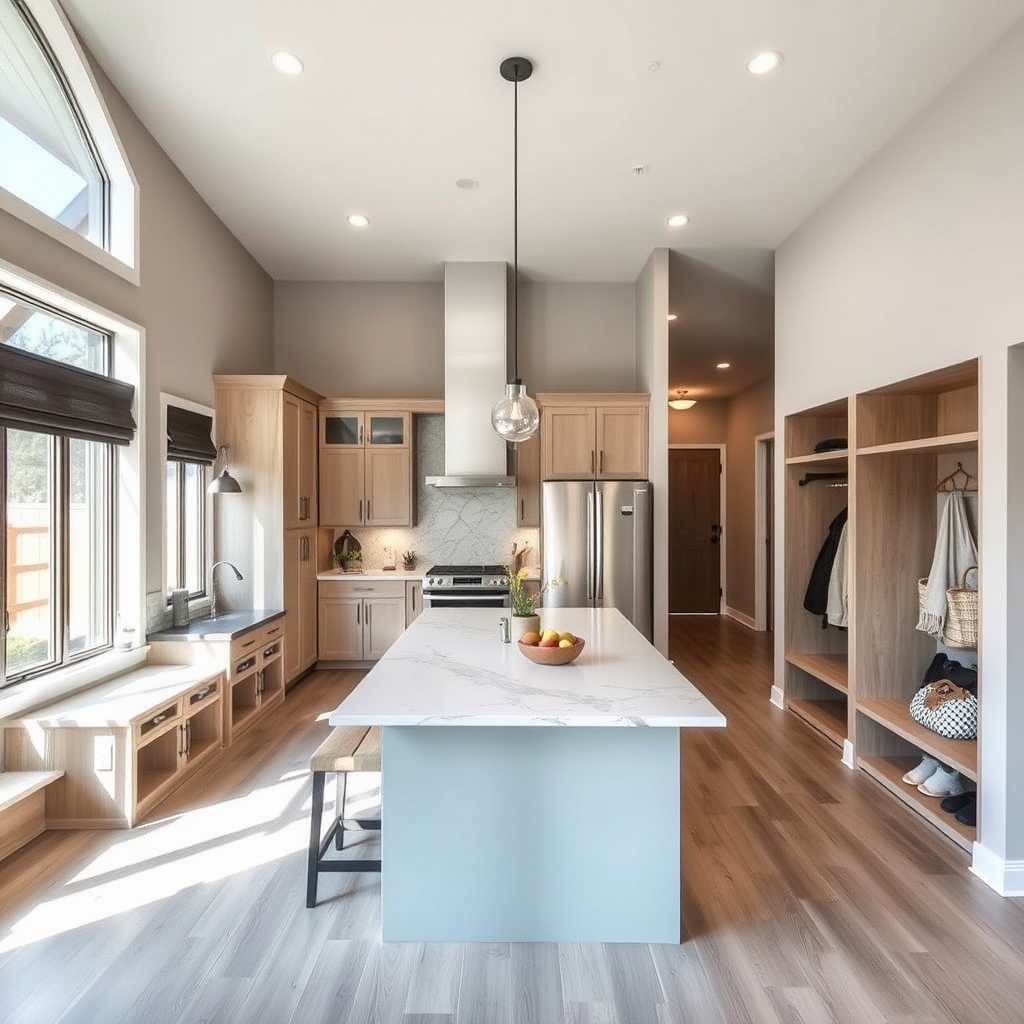
One of the hallmarks of adaptive design is layout flexibility. Instead of rigid room definitions, we design spaces that can easily shift purpose.
While open-concept living remains popular, adaptive architecture balances openness with structure. Partial walls, sliding panels, pocket doors, and millwork dividers allow spaces to open or close as needed.
Many Niagara homeowners want to remain in their homes long-term. Adaptive architecture allows for aging in place without making a home feel clinical or institutional.
These features often go unnoticed initially — but they become invaluable later.
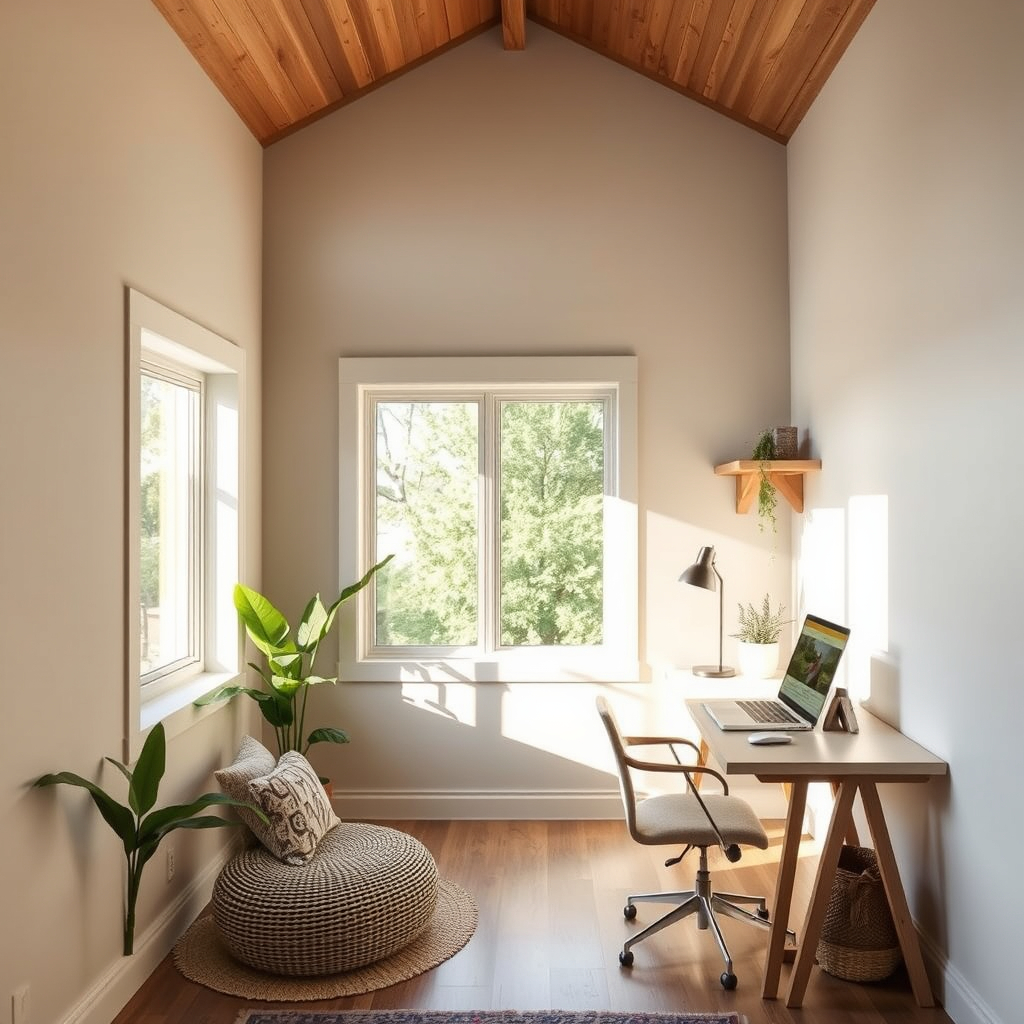
The rise of remote work has permanently changed how homes are used. Adaptive architecture ensures that office spaces aren’t single-purpose dead ends.
This means an office can easily become a guest room, teenager’s bedroom, or in-law space down the road.
By planning circulation and privacy zones early, homes can support togetherness and independence.
These behind-the-scenes decisions prevent costly structural changes later.
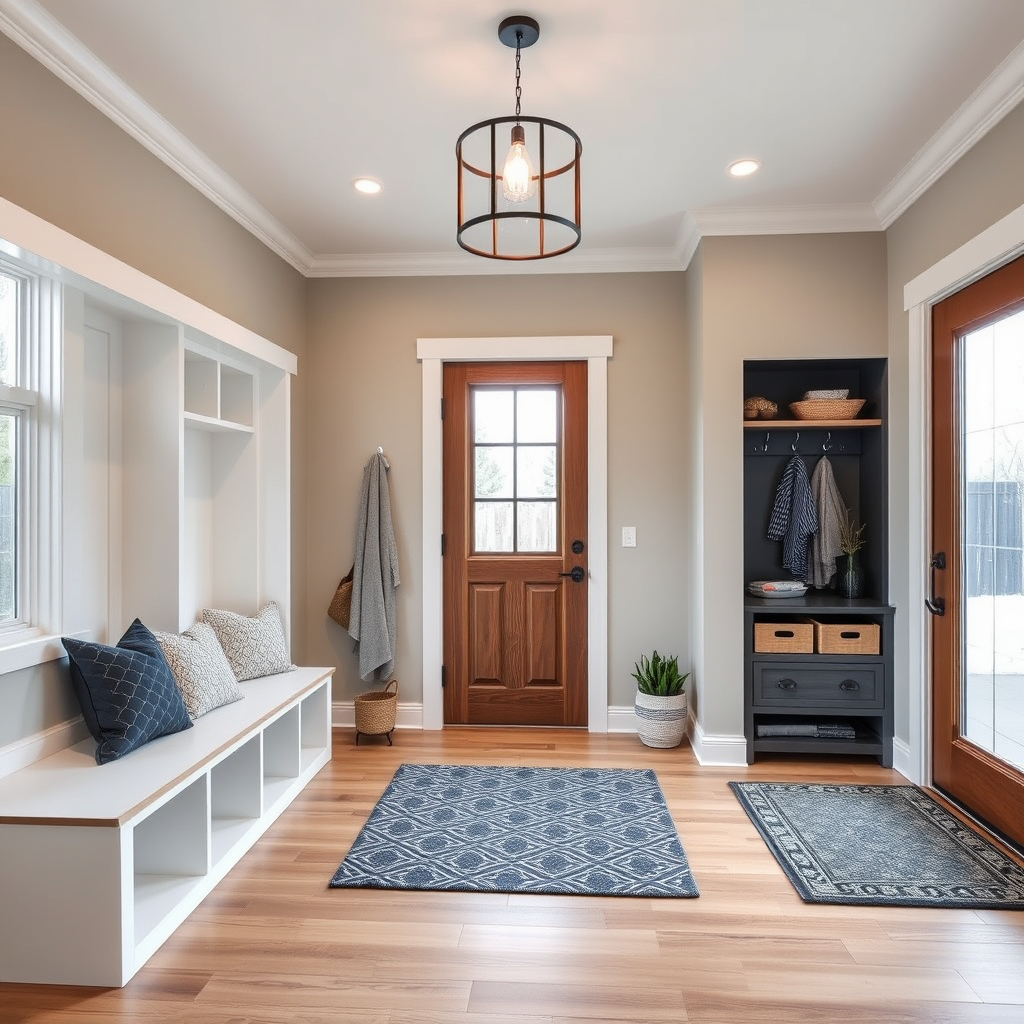
Storage needs change as families grow and lifestyles shift. Adaptive homes incorporate storage that can flex over time.
Smart storage keeps homes functional through every stage of life.
These strategies allow Niagara homeowners to expand living space as needs change.
Homes designed with flexibility consistently outperform rigid designs in both usability and resale.
Buyers increasingly value homes that can adapt — not just impress on day one.
At De Simone Designs, adaptive architecture is embedded in our design process. We don’t just design for now — we design for what’s next.
The result is a home that evolves seamlessly — without compromise.
Your home should support every chapter of life, not force you to outgrow it.
📞 Ready to future-proof your Niagara home with adaptive architecture? Let’s design a space that evolves with your family, your work, and your lifestyle.