Designing a family home is about more than square footage or style — it’s about creating a space that works day after day, year after year. A truly functional home supports busy routines, adapts as children grow, and balances comfort with durability — all while still feeling welcoming and well designed.
At De Simone Designs, we work with Niagara families building new homes or renovating existing ones, and we consistently see the same design priorities rise to the top. Whether you’re planning a custom build, an addition, or a major renovation, this designer’s checklist highlights the 10 features that make the biggest difference in everyday living.
The most functional homes start with a layout that simply makes sense. A well-planned floor plan minimizes wasted space and supports natural movement through the home.
Logical circulation between kitchen, living, and dining areas
For Niagara families, flow is especially important during winter months when everyone is indoors more often. A well-designed layout reduces stress and keeps daily routines running smoothly.
The kitchen is the true heart of a family home — not just for cooking, but for homework, snacks, conversations, and entertaining.
Designing the kitchen around how your family actually lives is one of the smartest investments you can make.
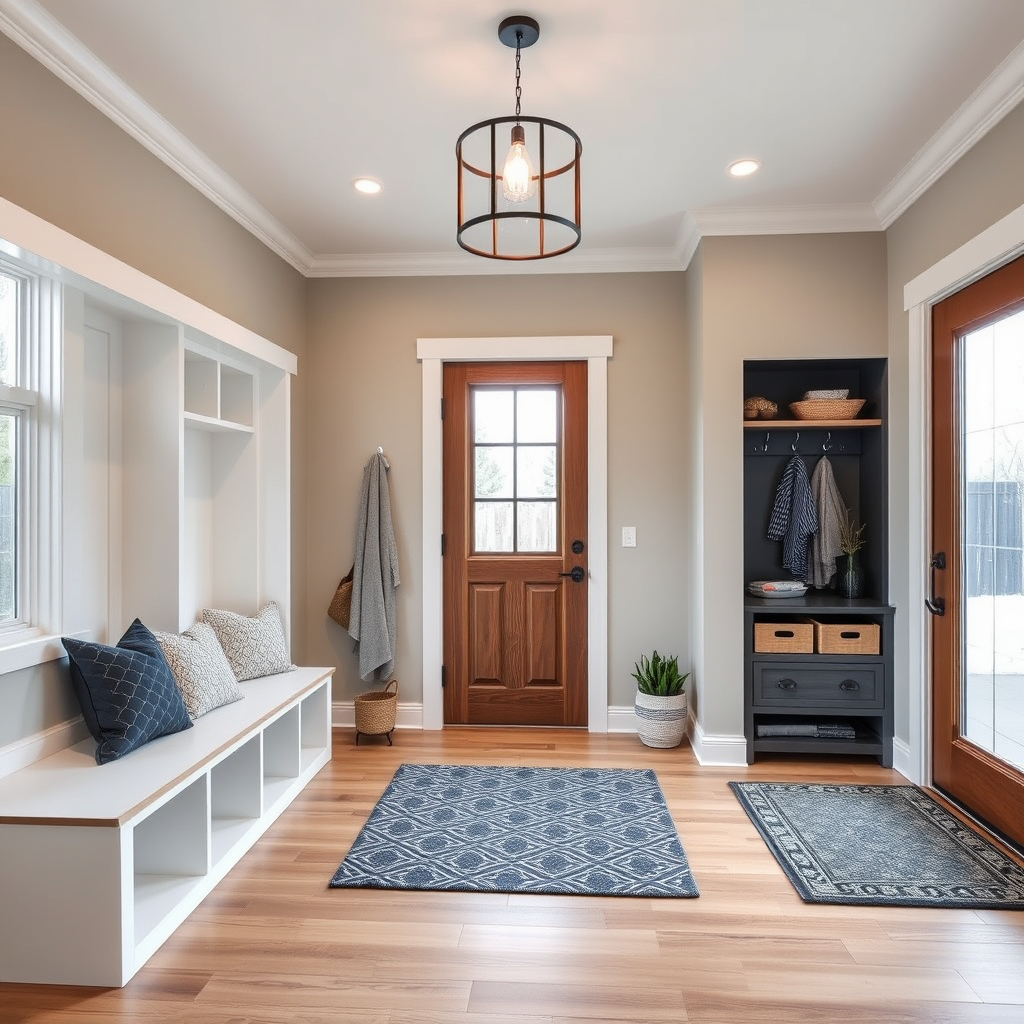
A well-designed mudroom keeps clutter contained and helps the rest of the home stay calm and organized.
Good storage is invisible when it’s done right — and invaluable in daily life.
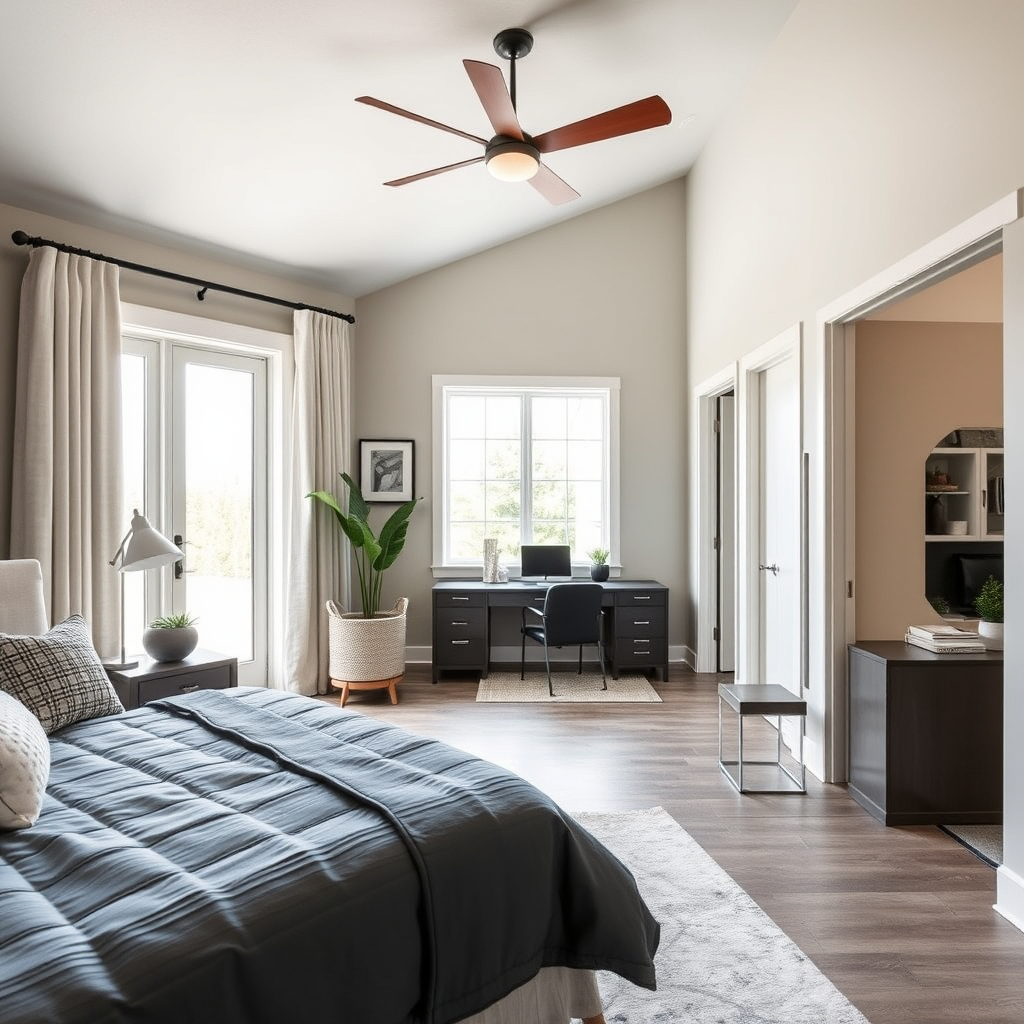
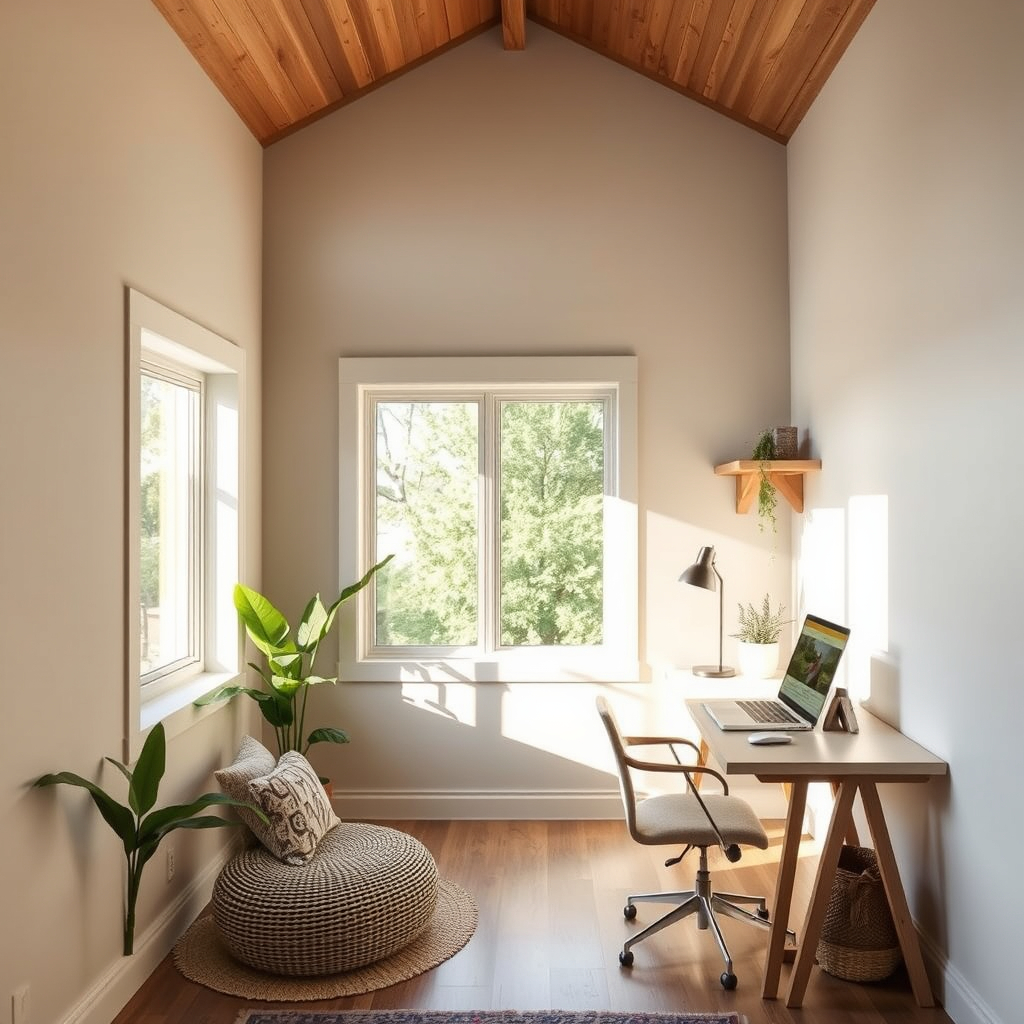
Family needs evolve. Playrooms become offices. Guest rooms become teen bedrooms. Functional homes anticipate these changes.
This adaptability future-proofs your home and protects your investment.
In larger homes, separating toilet and sink zones can significantly improve functionality.
In Niagara, where daylight varies dramatically by season, lighting design is essential for comfort year-round.
Durability doesn’t mean boring — it means choosing materials that age gracefully.
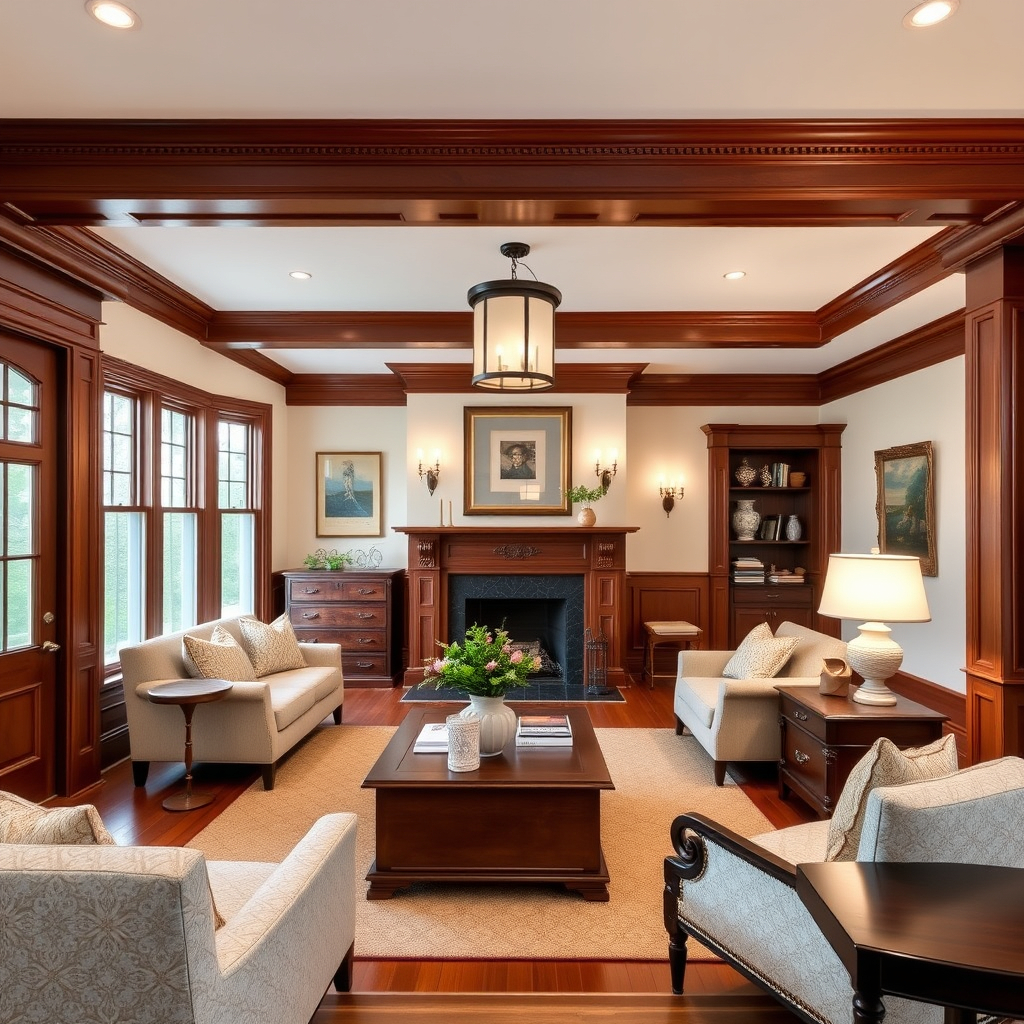
Even in open-concept homes, families need places to retreat.
Designing for both connection and privacy helps families coexist comfortably.
The most functional family homes are designed with the future in mind.
These features benefit families now — and significantly increase long-term resale appeal in the Niagara market.
When families struggle with their homes, it’s rarely because of style — it’s because the space doesn’t support how they live. This checklist helps ensure that beauty and function work together from the start.
At De Simone Designs, we guide Niagara families through each of these decisions during the design phase — preventing costly changes later and creating homes that truly work.
Whether you’re building new or renovating, thoughtful planning makes all the difference.
📍 Serving Niagara Falls, St. Catharines, Niagara-on-the-Lake, and surrounding areas.
👉 Contact De Simone Designs today to start designing a home that supports your family now and into the future.