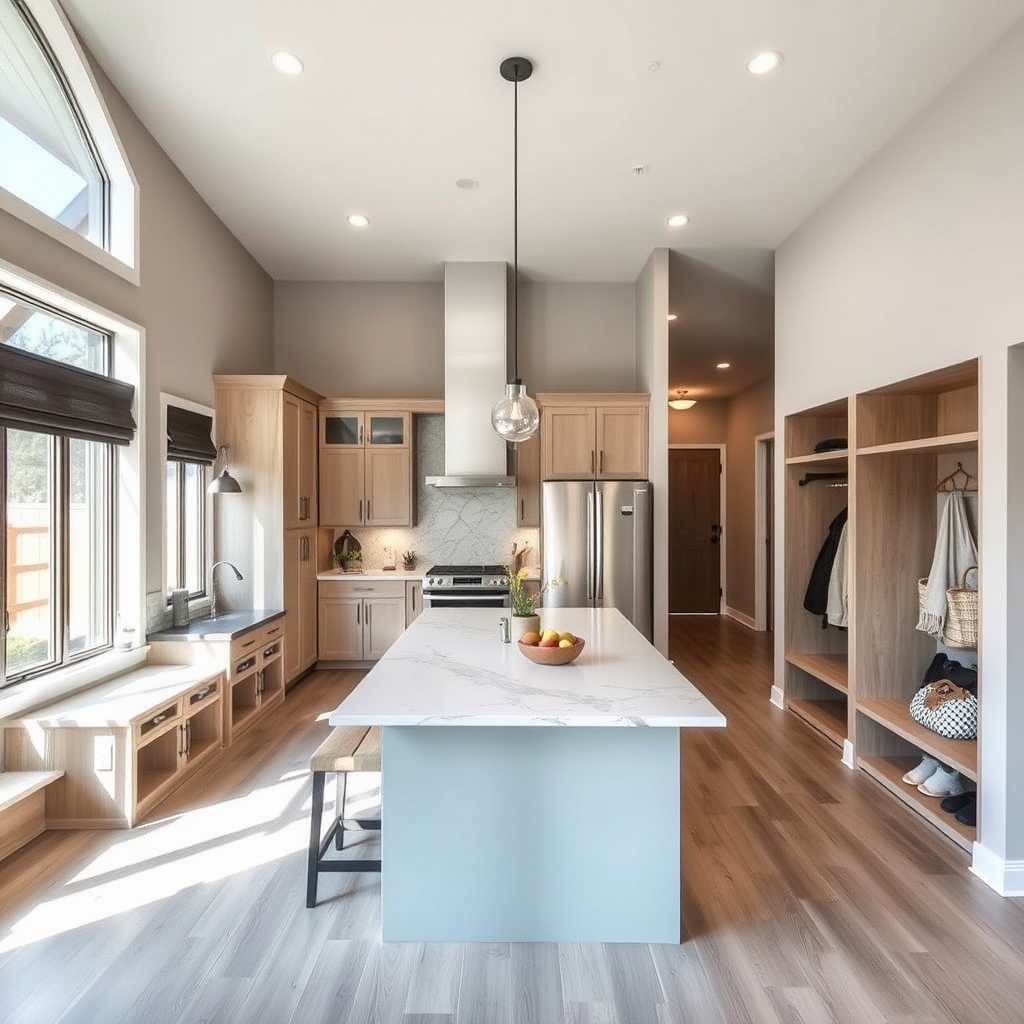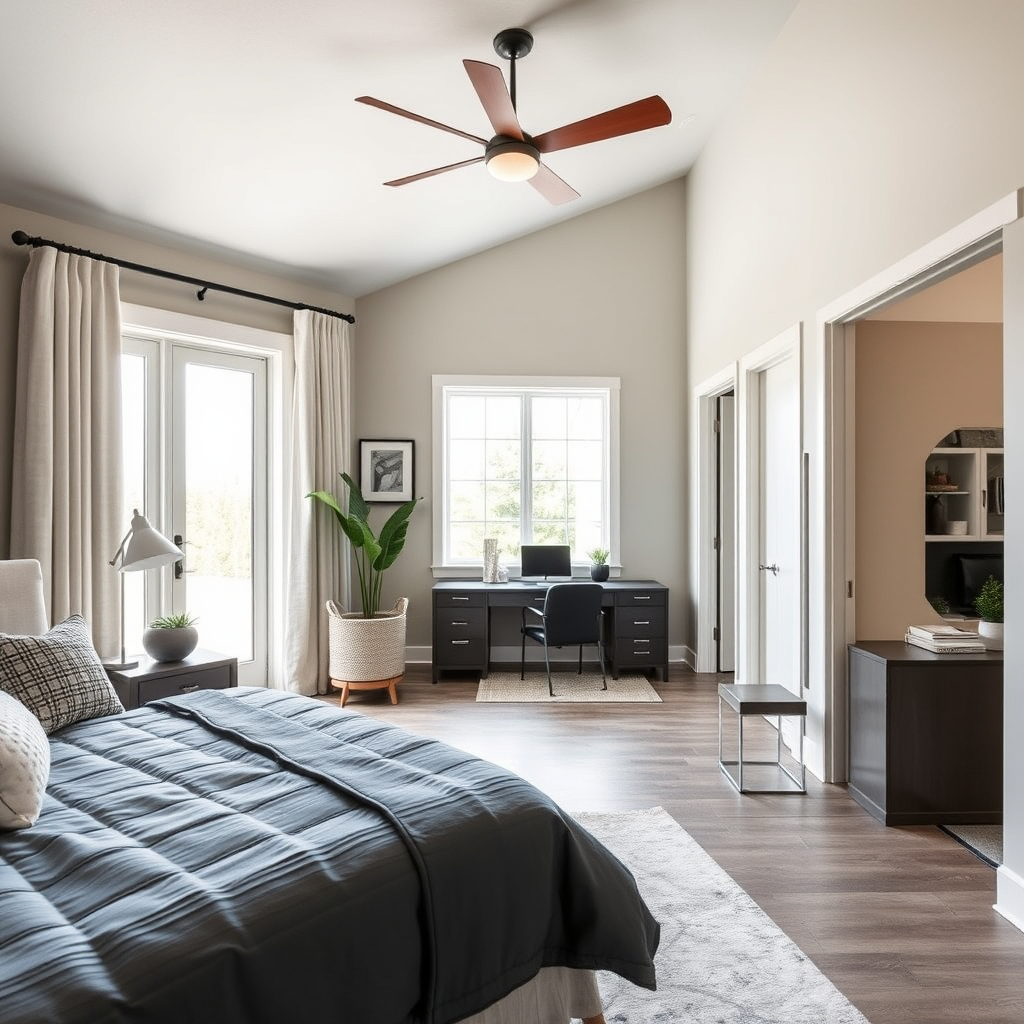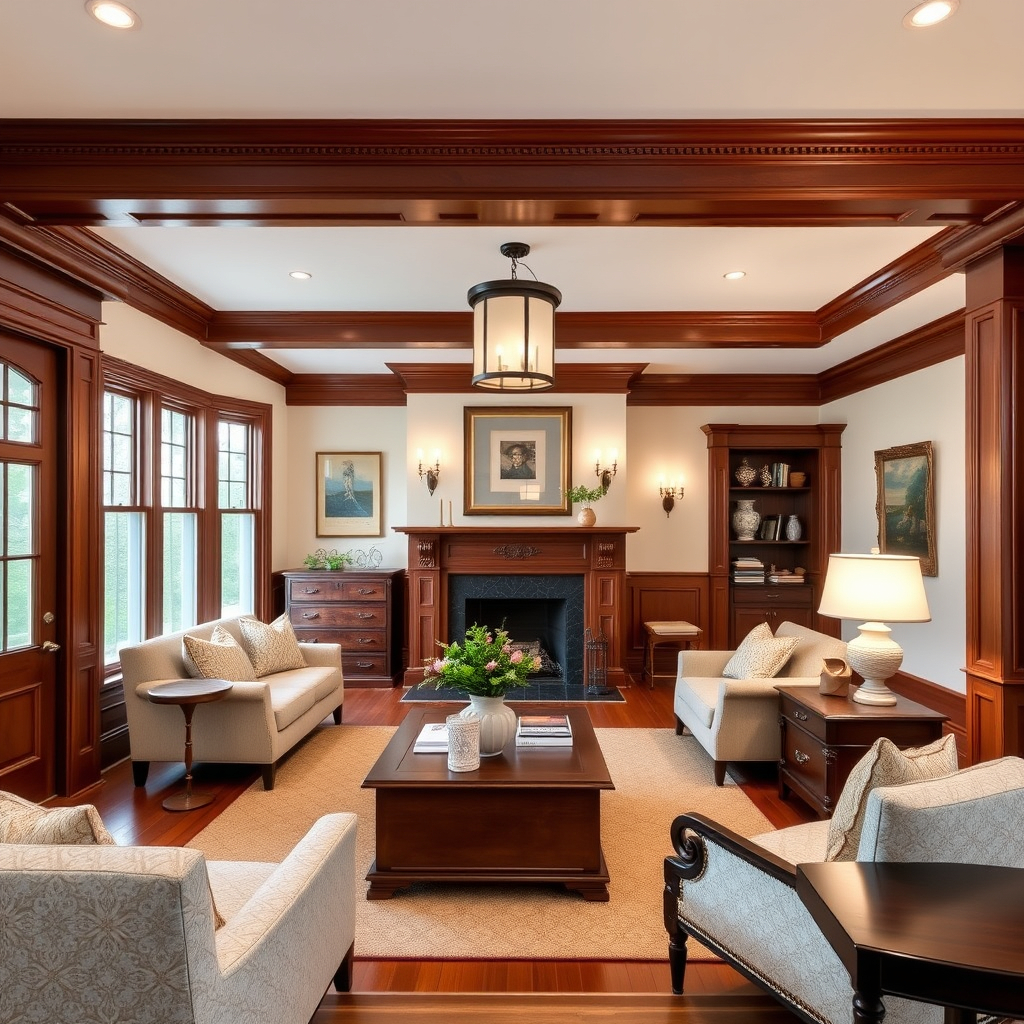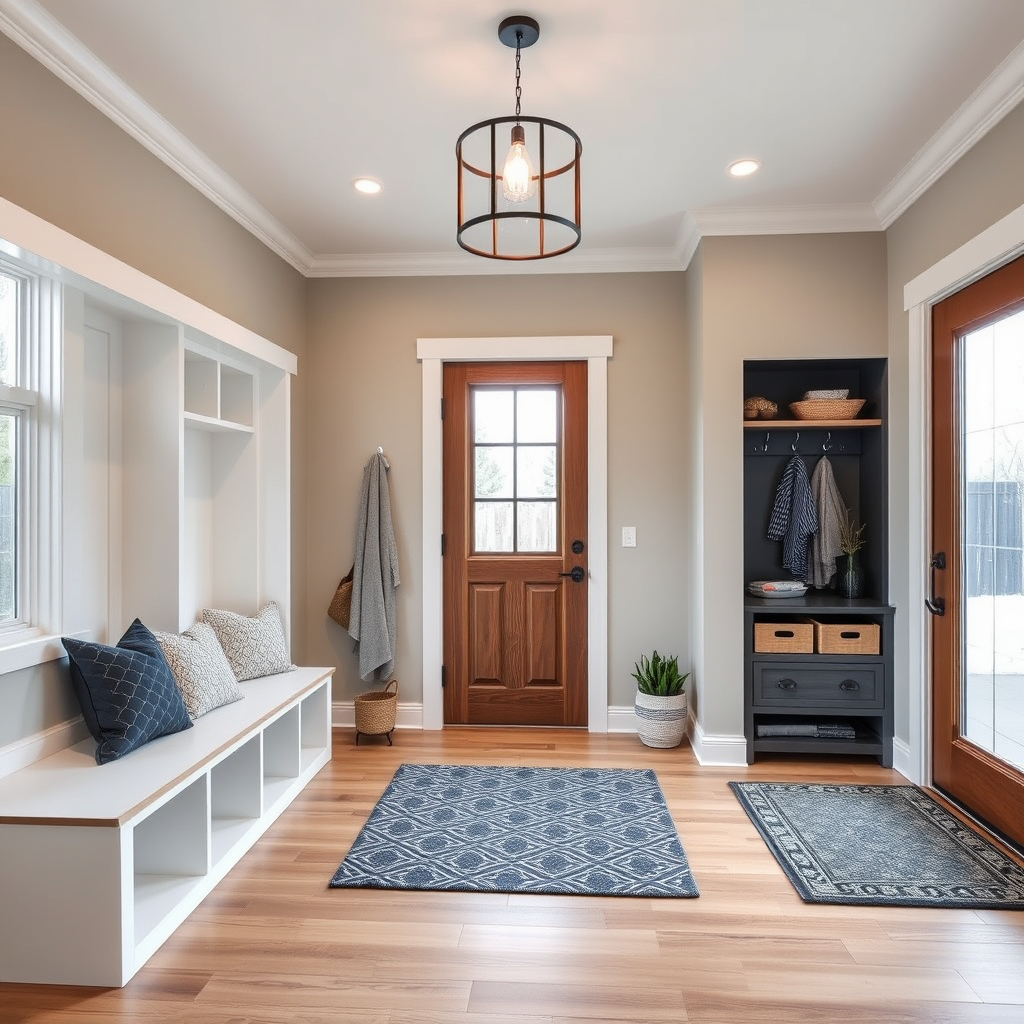
As Ontario’s population continues to age, more homeowners are prioritizing aging in place—the ability to live independently and safely in one’s own home for as long as possible. Whether you're building new or renovating, incorporating universal design principles today can help you or your loved ones avoid costly adjustments down the line.
From wide doorways and main-floor living to smart home technology and barrier-free bathrooms, this guide outlines how to design a future-proof home that blends function, comfort, and long-term accessibility.
Ontario seniors make up nearly 20% of the province's population, and that number is rising. Many are choosing to stay in their homes rather than downsize or move to assisted living. But traditional home designs often lack the features needed to support mobility, safety, and convenience as people age.
Adapting for physical limitations (reduced mobility, vision, or strength)
Designing a home with all essential spaces on the main floor is one of the most impactful decisions you can make. This includes:
Ensure doorways are at least 36 inches wide and hallways are at least 42 inches wide to accommodate walkers, wheelchairs, and mobility aids.
At least one no-step entrance should be included, ideally through the front or garage.
These are easier to operate than knobs and require less grip strength.
Use contrasting colors between counters, walls, and flooring
If you're not building from scratch, there are many renovation strategies that can support aging in place.
Entryways: Create a safe, step-free transition with slip-resistant surfaces.
In some municipalities in Ontario, accessibility upgrades may qualify for property tax relief or renovation grants. Always check with your local building department.
Even if you don’t need these features now, planning ahead:
Universal design isn't just for seniors—it benefits everyone, from toddlers to grandparents.
Designing for aging in place is about freedom, dignity, and peace of mind. With Ontario's aging population, homes that prioritize accessibility will only become more valuable.
At De Simone Designs, we help homeowners plan for the future by integrating smart, accessible features into every project. Whether you're renovating or building a forever home, we’ll make sure it works for every stage of life.
Contact us today to start your aging-in-place home design consultation.
1. Why Aging in Place Design Matters in Ontario
2. Key Universal Design Features for Aging in Place
3. Additional Home Features That Support Aging in Place
4. Renovating an Ontario Home for Aging in Place
5. Planning Ahead: The Long-Term Value of Universal Design
B. Wider Doorways and Hallways
C. Barrier-Free Showers and Bathrooms
E. Lever-Style Door Handles and Touch Faucets
Lighting and Visibility Enhancements
Permit and Zoning Considerations
Avoiding relocation expenses and stress later in life
Maintaining independence and autonomy
A full bathroom with a walk-in shower
Kitchen, laundry, and common areas on the same level
Curbless, walk-in showers with non-slip flooring
Grab bars and reinforced walls around toilets and showers
Comfort-height toilets and single-lever faucets
Voice-activated lighting and thermostats
Remote door locks and video doorbells
Use textured vinyl, cork, or matte-finish tile
Avoid rugs and uneven transitions between rooms
Add task lighting in kitchens and bathrooms
Incorporate under-cabinet lighting for better visibility
Lowered countertops and workspaces
Side-opening ovens and drawer-style dishwashers
Bathrooms: Most falls occur here, so it's the top priority.
Hallways: Open narrow passages and improve lighting.
Increases your home’s resale appeal to a wider audience
Makes your home more flexible for multigenerational living
Reduces future renovation costs