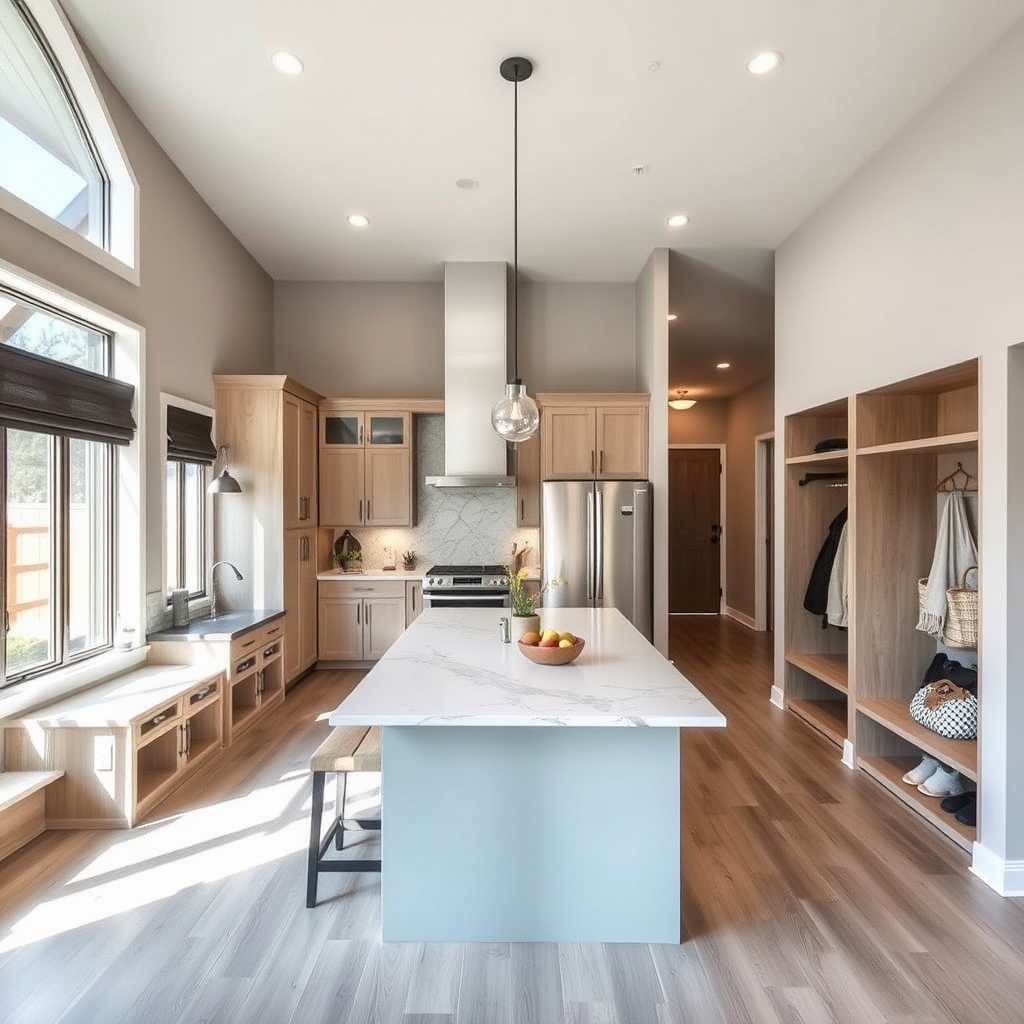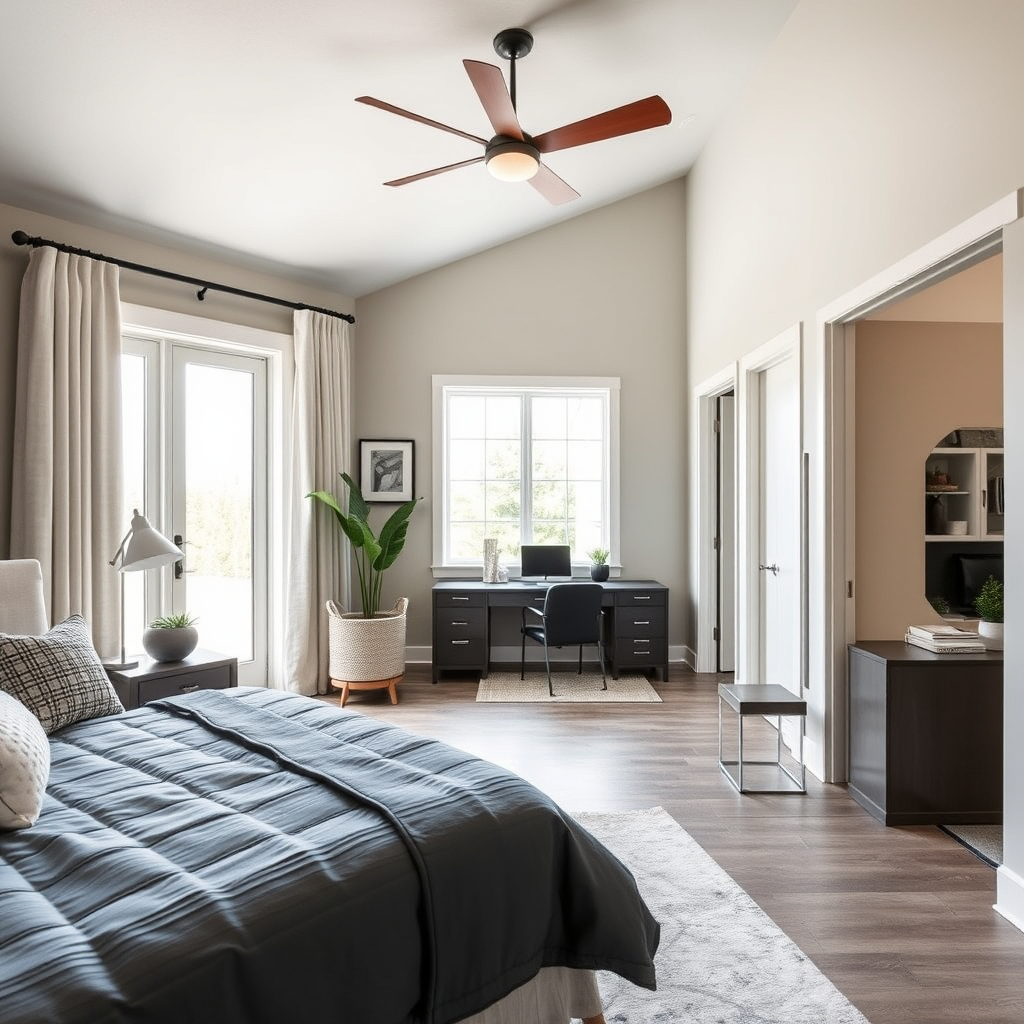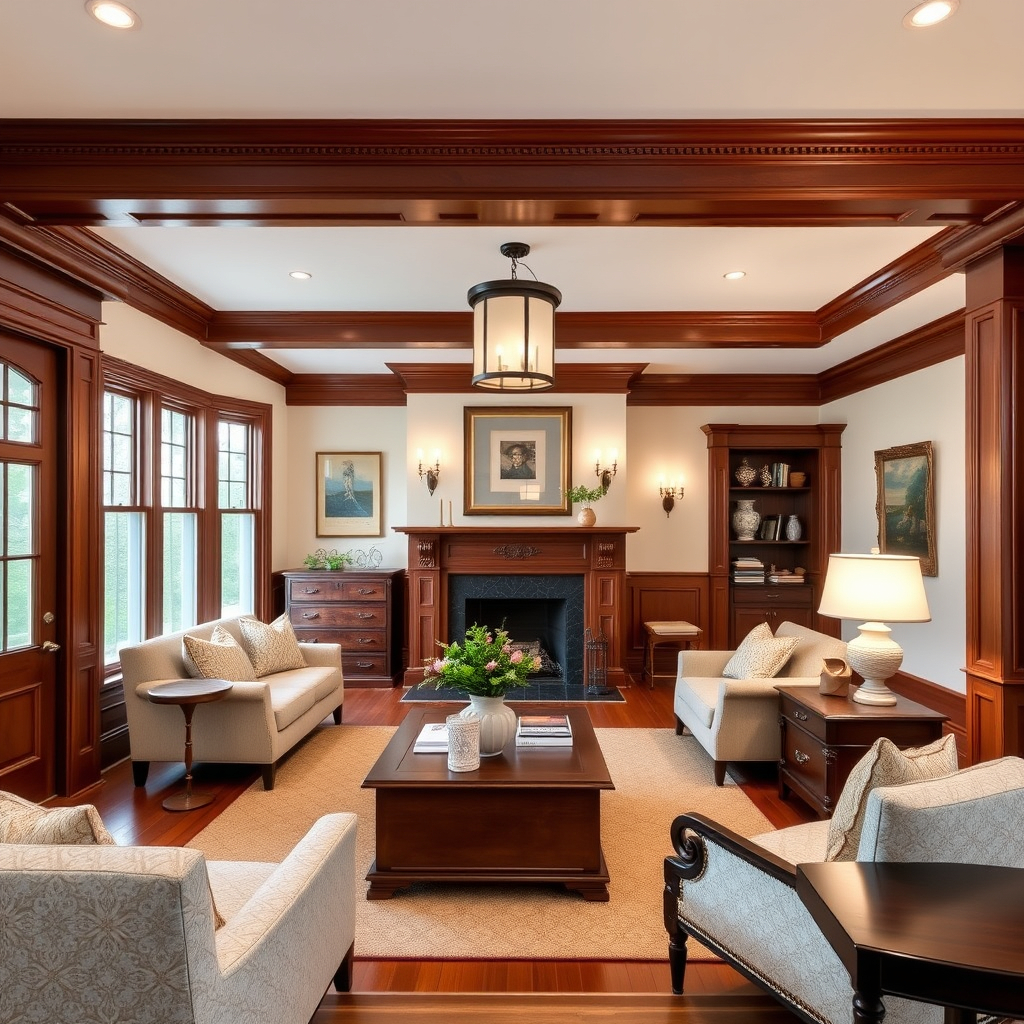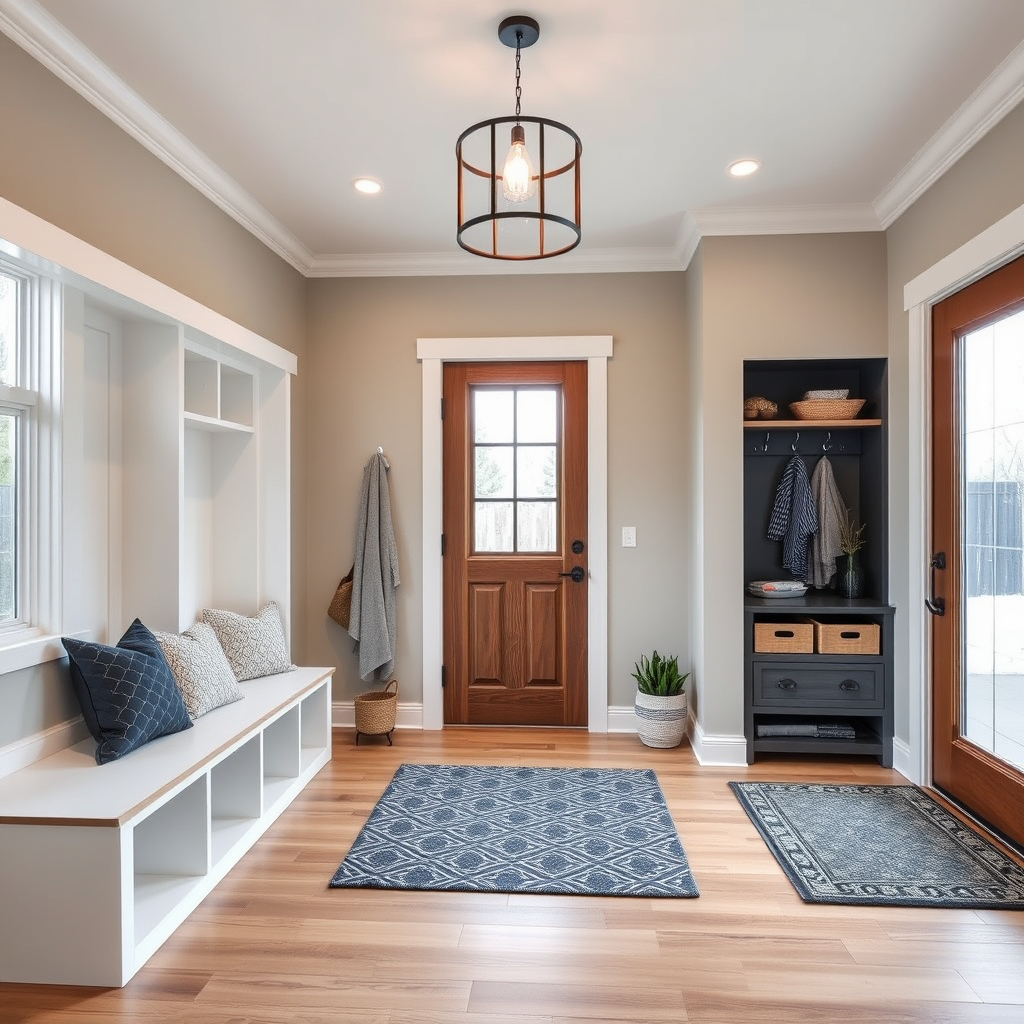
Creating an accessible home ensures comfort, safety, and inclusivity for all family members, regardless of mobility levels. With an aging population and an increasing focus on universal design, Ontario families are prioritizing accessibility in their homes. Whether you’re adapting a space for aging in place, accommodating mobility challenges, or planning for future needs, thoughtful design can significantly enhance everyday living.
This guide explores essential accessibility modifications, key design elements, and resources available in the Niagara region to support families in making their homes more inclusive.
🏡 Improved Quality of Life – An accessible home fosters independence and ease of movement.
🦽 Aging in Place – Ontario’s senior population is growing, making future-proofing homes a priority.
✅ Legal & Financial Benefits – Some accessibility modifications qualify for government grants and tax credits.
Ontario’s Building Code sets standards for accessible design, particularly for new builds and renovations. Additionally, the Accessibility for Ontarians with Disabilities Act (AODA) provides guidelines to ensure homes and businesses are designed with inclusivity in mind.
Traditional home entryways often have steps, making access difficult for those with mobility challenges.
💡 Niagara Falls Example: Some historic homes in the region are being updated with discreet ramp access to preserve aesthetics while improving accessibility.
Standard doorways and hallways can be restrictive for wheelchairs and walkers.
Keep hallways uncluttered and ensure at least 42 inches of width.
💡 Ontario Insight: Many new builds are integrating open floor plans to naturally accommodate wider movement areas.
Bathrooms are one of the most important areas to modify for safety and accessibility.
💡 Before & After Example: A homeowner in Niagara Falls upgraded their traditional tub to a roll-in shower with grab bars, improving accessibility for an elderly parent.
The kitchen should be designed for easy navigation, reaching, and safety.
Lowered countertops & pull-out shelving for better reachability.
Accessible appliances, such as side-opening ovens and induction cooktops for safety.
💡 Tip: Smart home technology, like voice-activated appliances, can further enhance kitchen accessibility.
Use non-slip flooring (e.g., cork, textured vinyl, or low-pile carpet).
Install motion-sensor lighting to improve nighttime safety.
Opt for contrasting colors to aid those with vision impairments.
Homeowners in Ontario and the Niagara region can access various grants and financial assistance for accessibility upgrades.
🏡 Ontario Renovates Program – Provides funding for home modifications to improve accessibility.💰 Home Accessibility Tax Credit (HATC) – Allows eligible homeowners to claim up to $10,000 for renovations.🦽 March of Dimes Canada – Home & Vehicle Modification Program – Financial assistance for accessibility-related home improvements.
📍 Niagara Region Accessibility Advisory Committee – Offers consultations and guidance on home modifications.📍 Independent Living Niagara – Provides resources for people with disabilities seeking housing support.
💡 Tip: Working with a professional designer familiar with Ontario’s accessibility regulations ensures compliance and efficiency in your renovations.
Even if accessibility isn't an immediate concern, planning for future needs ensures your home remains comfortable long-term.
Create single-level living spaces or plan for future elevator installation.
Reinforce bathroom walls for potential future grab bar installation.
Use adjustable-height countertops for long-term flexibility.
💡 Ontario Insight: New home developments in Niagara Falls and Toronto are incorporating age-in-place designs to cater to evolving homeowner needs.
Hiring a professional experienced in accessible home design ensures the best results.
✔️ Expert Guidance – Ensure modifications meet Ontario’s building codes.
✔️ Aesthetic Integration – Accessibility doesn’t mean sacrificing style.
✔️ Long-Term Investment – Thoughtful renovations add value to your home.
Designing an accessible home is about more than just convenience—it’s about ensuring safety, comfort, and independence for all family members. Whether you’re updating your home for an aging parent, a loved one with mobility challenges, or planning for the future, small changes can make a big impact.
At De Simone Designs, we specialize in creating inclusive living spaces that balance accessibility with beautiful design.
📞 Contact us today for a consultation and make your home accessible for all!
1. Why Accessibility Matters in Home Design
2. Key Design Elements for an Accessible Home
3. Local Resources & Financial Assistance in Ontario
4. Designing for Future Accessibility Needs
5. Why Work with Accessibility-Focused Designers?
Legislation & Building Codes in Ontario
A. Step-Free Entrances & Ramps 🚪
B. Wider Doorways & Hallways 🚶
D. Functional Kitchens for All Abilities 🍽️
E. Flooring & Lighting Adjustments 💡
Government Grants & Tax Credits
Local Support & Community Resources
Install zero-step entries or ramps with handrails.
Use automatic door openers for easier access.
Ensure a smooth threshold transition between rooms.
Increase doorway width to at least 36 inches.
Use pocket doors or barn doors for ease of use.
Walk-in showers with grab bars and seating.
Height-adjustable sinks for wheelchair users.
Non-slip flooring to prevent falls.
Lever-style faucets instead of twist knobs.