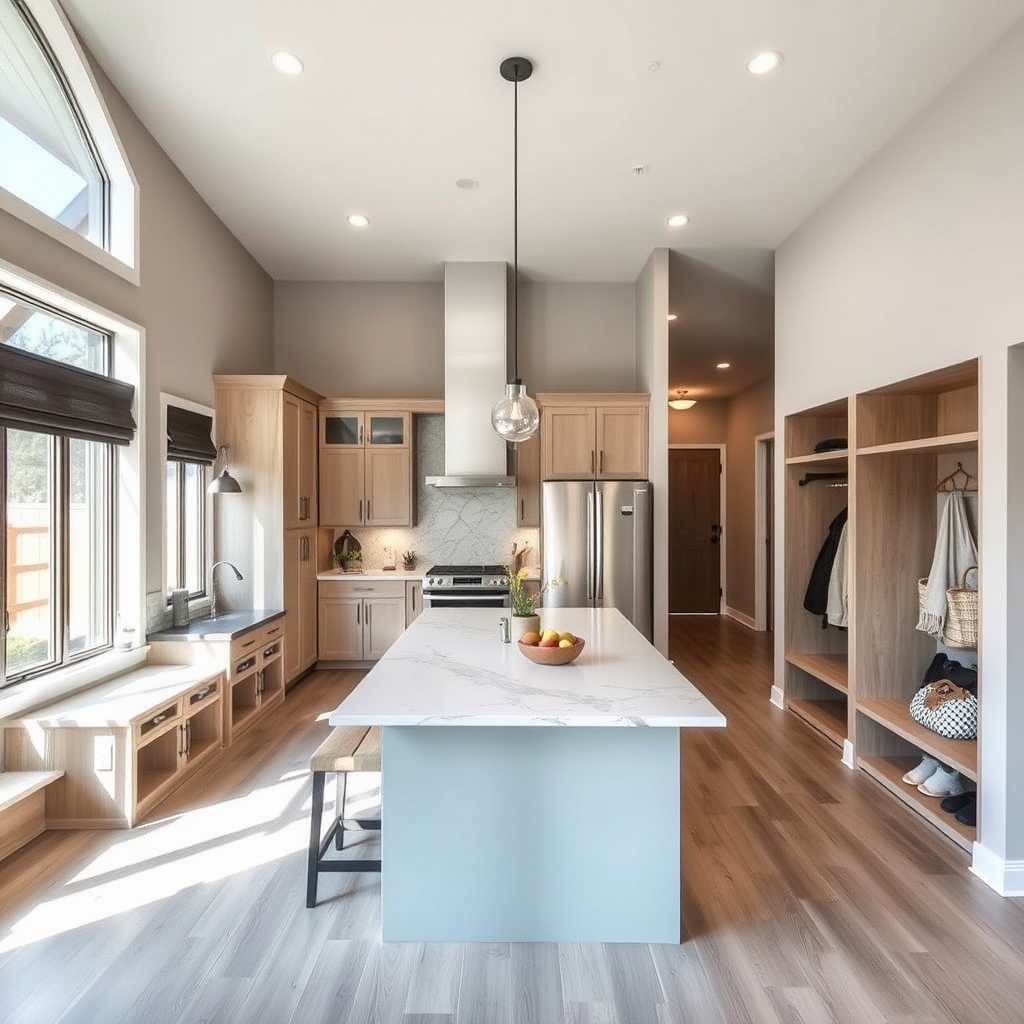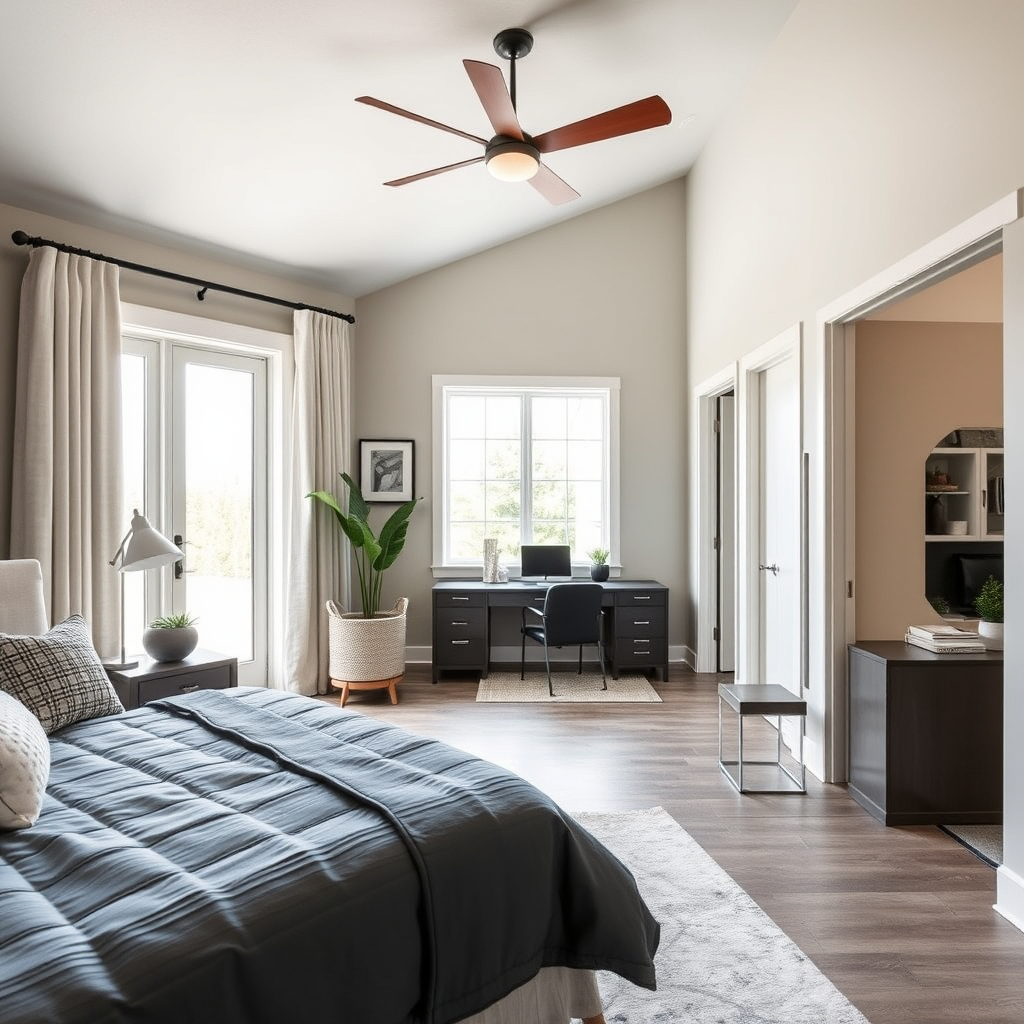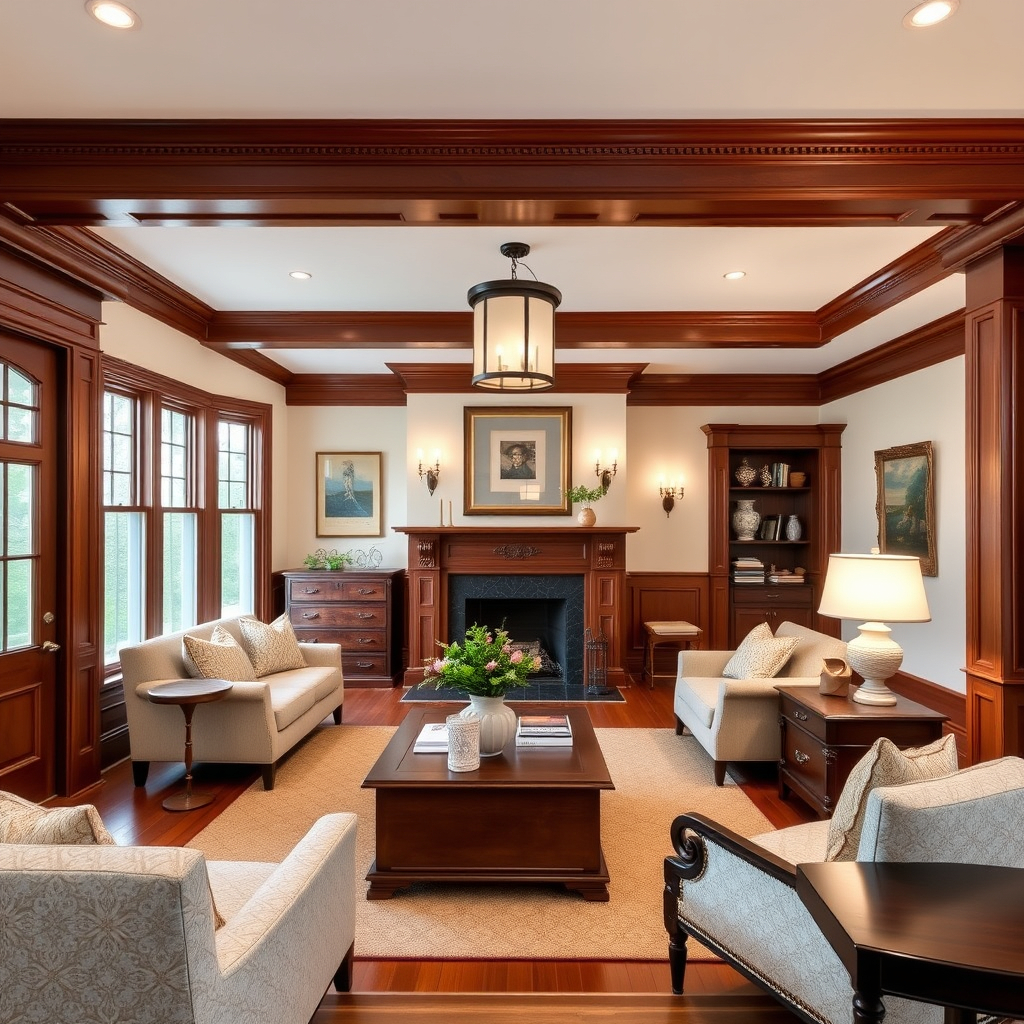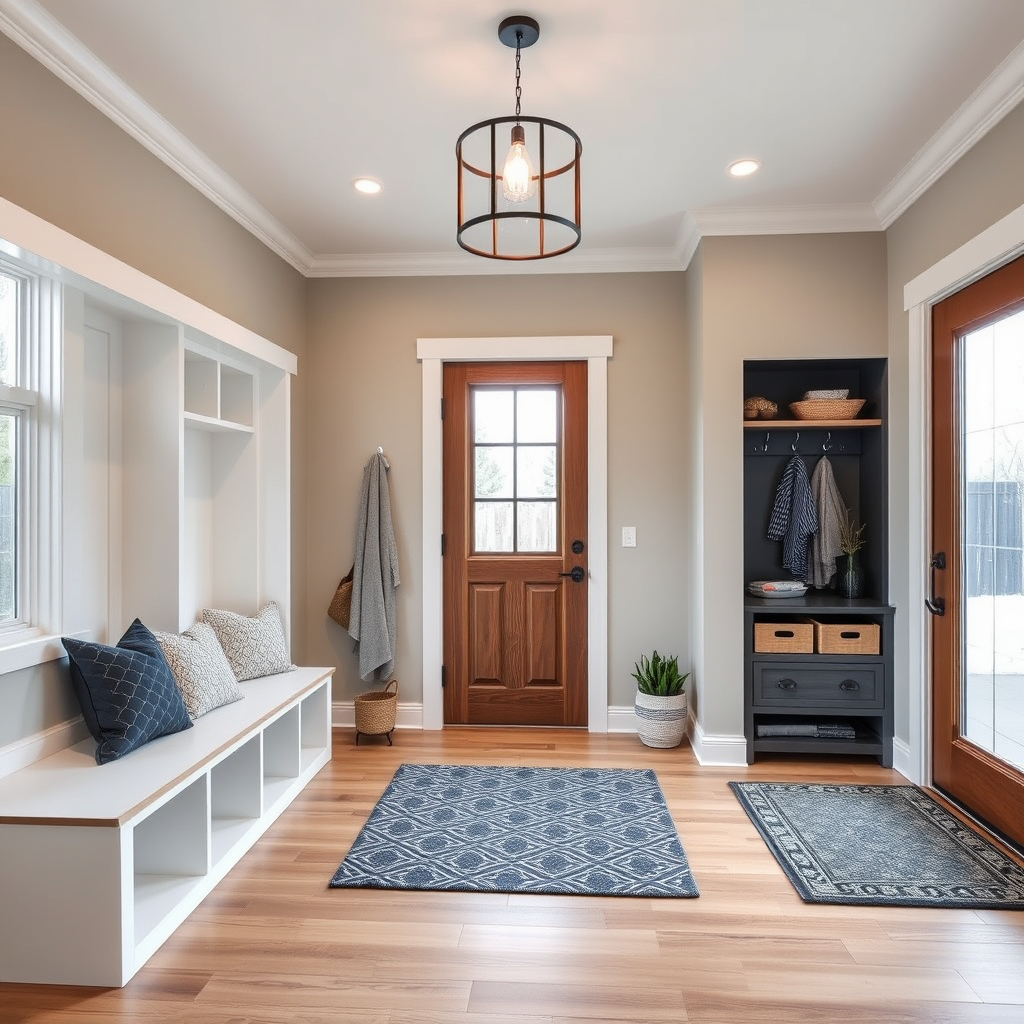
As lifestyles evolve and homes become more multifunctional, one design trend is leading the way in future-focused floor planning: the flex room. These adaptable spaces are designed to shift with your needs over time—providing functionality without forcing a renovation every few years.
From home offices to playrooms, guest suites to gyms, flex rooms are a smart, stylish way to build long-term value and versatility into your Ontario home. At De Simone Designs, we help clients design floor plans that not only meet their current needs, but also anticipate what’s next.
A flex room—short for “flexible room”—is a space intentionally designed without a fixed purpose. Unlike a formal dining room or a dedicated office, a flex room is meant to adapt to changing family dynamics, lifestyle shifts, and work patterns.
In many Ontario homes, especially those with limited square footage, the flex room is becoming one of the most valuable rooms in the house.
In recent years, homeowners have realized the importance of designing spaces that can do more—especially after shifts in how we live, work, and learn from home.
Remote and hybrid work requiring quiet, defined office space
Multigenerational living and the need for guest accommodations
Growing families needing evolving play, study, or sleep zones
Downsizers or retirees wanting future-proofed accessibility
Instead of multiple single-purpose rooms, today’s smart homes favor rooms that can change with life’s stages.
Creating a successful flex room requires more than an extra bedroom with a door. It involves thoughtful design elements that allow the space to transition effortlessly between uses.
Place flex rooms near quiet zones if you anticipate using them as offices or bedrooms.
Consider placing them near the main living space for playrooms or TV rooms.
If possible, position flex rooms on the main floor for aging-in-place versatility.
Ensure good window placement so the room feels livable in any function.
If windows are limited, use glass doors, mirrors, or skylights to brighten the space.
Include shelving, cabinets, or closets that work for multiple purposes.
Concealed storage allows the room to remain clutter-free regardless of its function.
Plan for ample outlets and data wiring to support electronics, lighting, or fitness equipment.
Include task lighting and dimmable overhead lights for varied ambiance.
Durable, neutral finishes help ensure the room remains relevant no matter its use. At De Simone Designs, we recommend:
Acoustic treatments (like area rugs or wall panels) if the room may host virtual meetings, media, or music
Buyers in Niagara Falls and across Ontario are actively looking for homes with spaces that can adapt. A well-designed flex room can tip the scales during resale—offering that extra bit of usefulness without requiring a renovation.
Whether it’s staged as a home gym or presented as a future nursery, a flex room communicates potential to future homeowners.
To enhance flexibility, consider built-ins or furniture that serve more than one function:
Modular seating or storage benches for easy reconfiguration
The design should encourage fluid use—not lock the room into one role.
Design for now—and what’s next. Whether you’re building new or rethinking your layout, De Simone Designs can help you create a floor plan with built-in flexibility. Our smart design strategies make sure your home adapts with your lifestyle.
📞 Call us today to design a space that works for every stage of life.
Why Flex Rooms Are Gaining Popularity
Designing an Effective Flex Room
Flooring and Finishes That Work Long-Term
How Flex Rooms Add Value in Ontario
Bonus Tip: Combine With Multi-Use Furniture
Secondary TV room or gaming area
Hardwood or LVP flooring for long-lasting flexibility
Neutral wall colors that suit professional or personal use
Murphy beds or daybeds for guest room conversions
Fold-out desks or tables for workspace adaptability