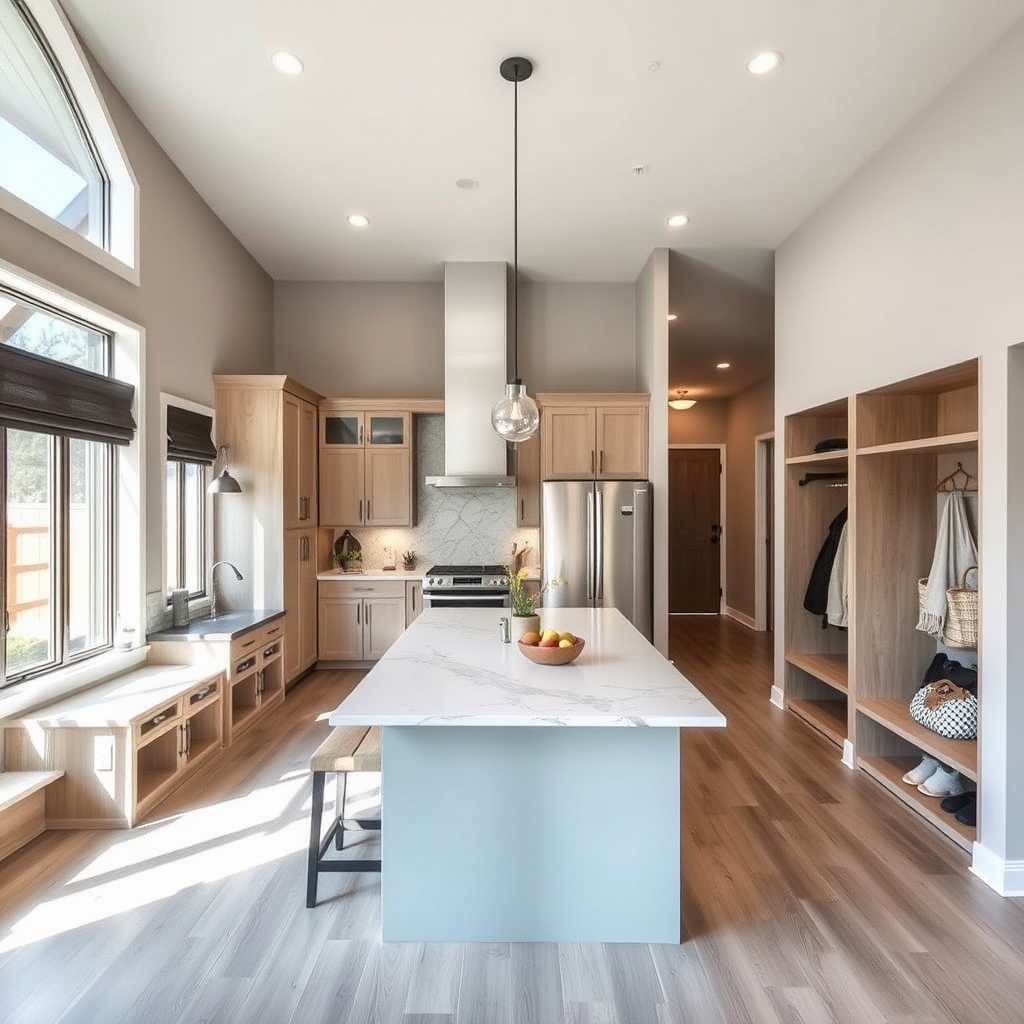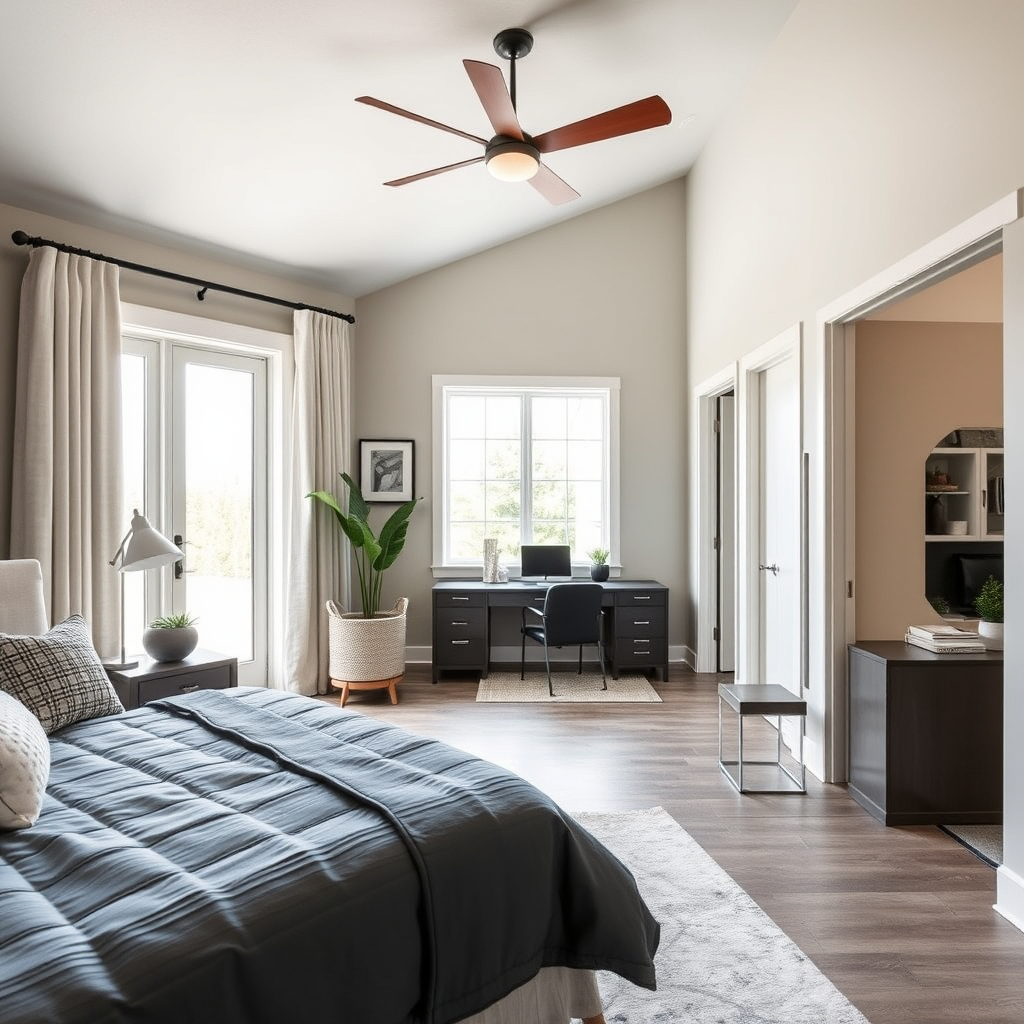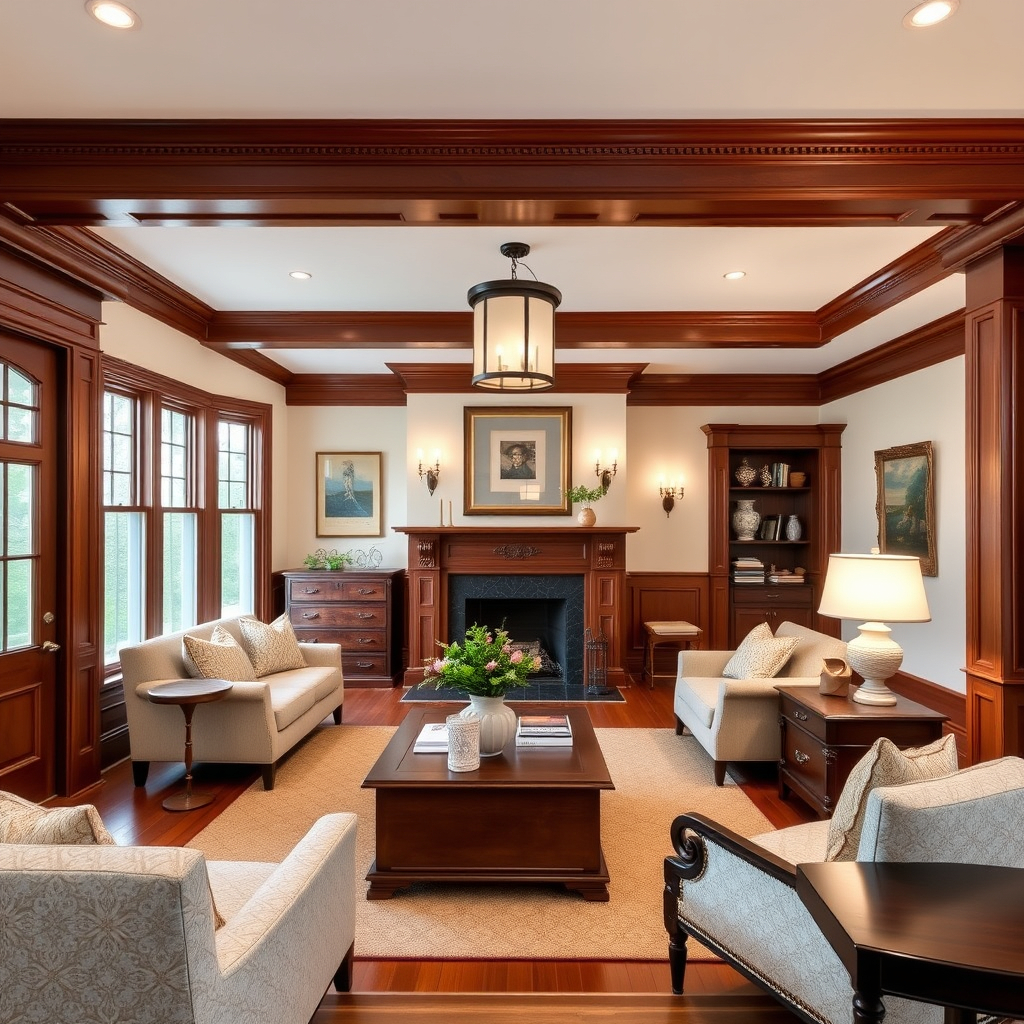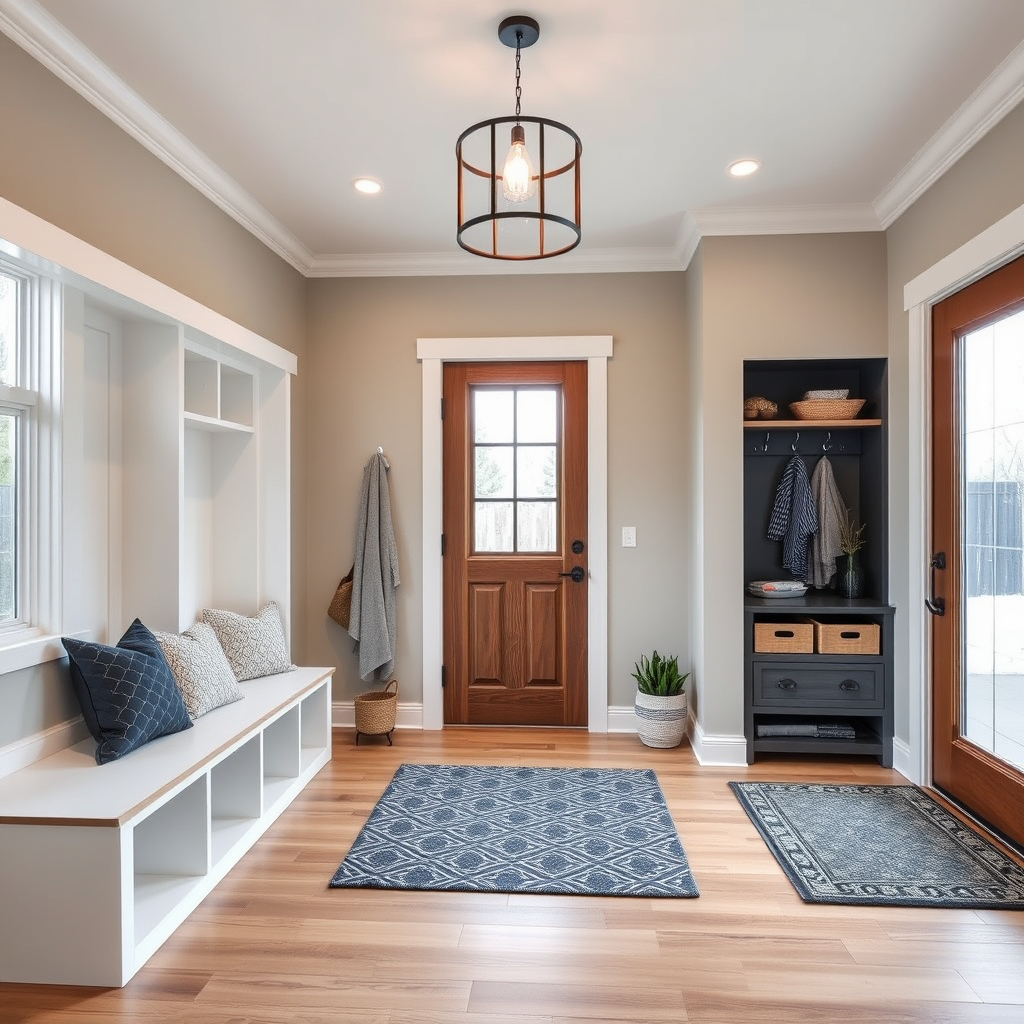
A well-designed floor plan is the cornerstone of a functional, beautiful home. Whether you’re building from scratch or renovating, your floor plan dictates how you live, interact, and enjoy your space. By prioritizing functionality and tailoring the layout to your lifestyle, you can create a home that works for you—now and in the future.
Every family is unique, and your home should reflect that. Start by asking key questions:
Do you need dedicated spaces for work, hobbies, or entertainment?
Example: A family with young children might prioritize an open-concept living area to keep an eye on kids, while empty nesters may prefer defined spaces for privacy and hobbies.
A functional floor plan ensures smooth movement between spaces. Pay attention to how rooms connect and how you’ll transition through the home.
Central Spaces: Position the kitchen, living room, and dining area for easy access.
Private Areas: Bedrooms and bathrooms should be secluded from high-traffic zones for tranquility.
Entryways: Design an organized foyer or mudroom to manage clutter and improve functionality.
Tip: Use zoning principles to separate public and private areas effectively.
Maximize natural light to create a welcoming, energy-efficient home.
Orientation Matters: Place living spaces and bedrooms to capture the sun’s path.
Windows and Skylights: Incorporate large windows, sliding doors, or skylights to brighten interiors.
Open Layouts: Use open floor plans to allow light to flow freely between spaces.
Example: A south-facing kitchen with a large bay window can double as a bright, cozy breakfast nook.
Essential Areas: Allocate more square footage to frequently used spaces like kitchens and family rooms.
Storage Solutions: Include built-in storage in hallways, under stairs, or in closets to reduce clutter.
Multi-Functional Rooms: Design adaptable spaces that can evolve as your needs change, such as a guest room that doubles as a home office.
Anticipate growing families, aging-in-place requirements, or the possibility of adding an accessory dwelling unit (ADU).
Include wider doorways, a first-floor master suite, or pre-wiring for smart home technology.
Open-Concept Design: Perfect for social households, this layout combines living, dining, and kitchen areas into one expansive space. Split-Level Homes: Ideal for separating living zones, offering privacy and reducing noise. L-Shaped Layouts: Maximizes natural light and outdoor access while maintaining a clear flow between rooms.
Collaborating with a design expert like De Simone Designs can make the process seamless. Experienced designers can identify potential pitfalls, ensure building code compliance, and create a layout that brings your vision to life.
Designing a floor plan tailored to your lifestyle is an investment in your happiness and comfort. By balancing functionality, aesthetics, and future needs, you can create a home that serves you well for years to come.
Ready to bring your dream floor plan to life? Contact De Simone Designs today for expert guidance and a custom layout that fits your lifestyle perfectly.
1. Assess Your Lifestyle and Needs
2. Optimize Flow and Functionality
4. Prioritize Space Allocation
6. Examples of Functional Floor Plans
7. Partner with a Professional
Conclusion: Your Lifestyle, Your Floor Plan
How many people will live in the home?
What are your daily routines and priorities?