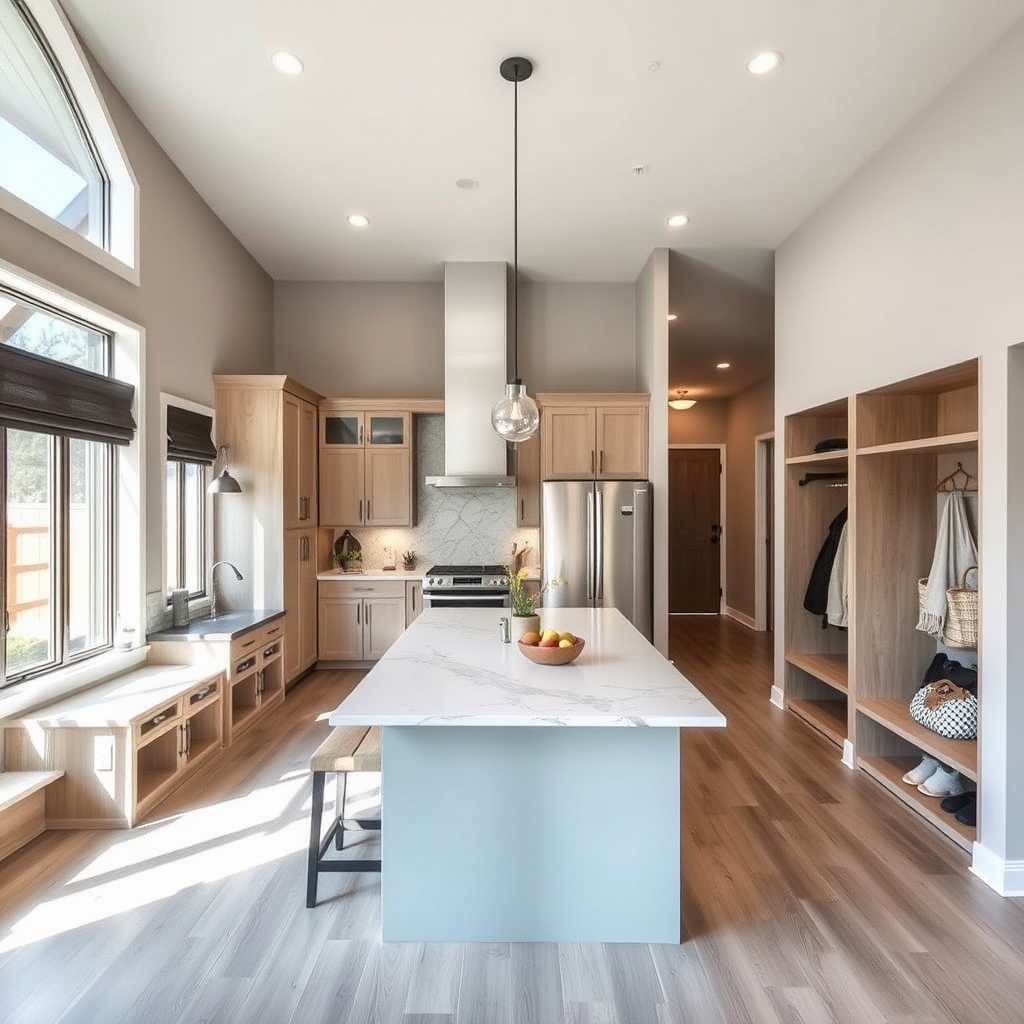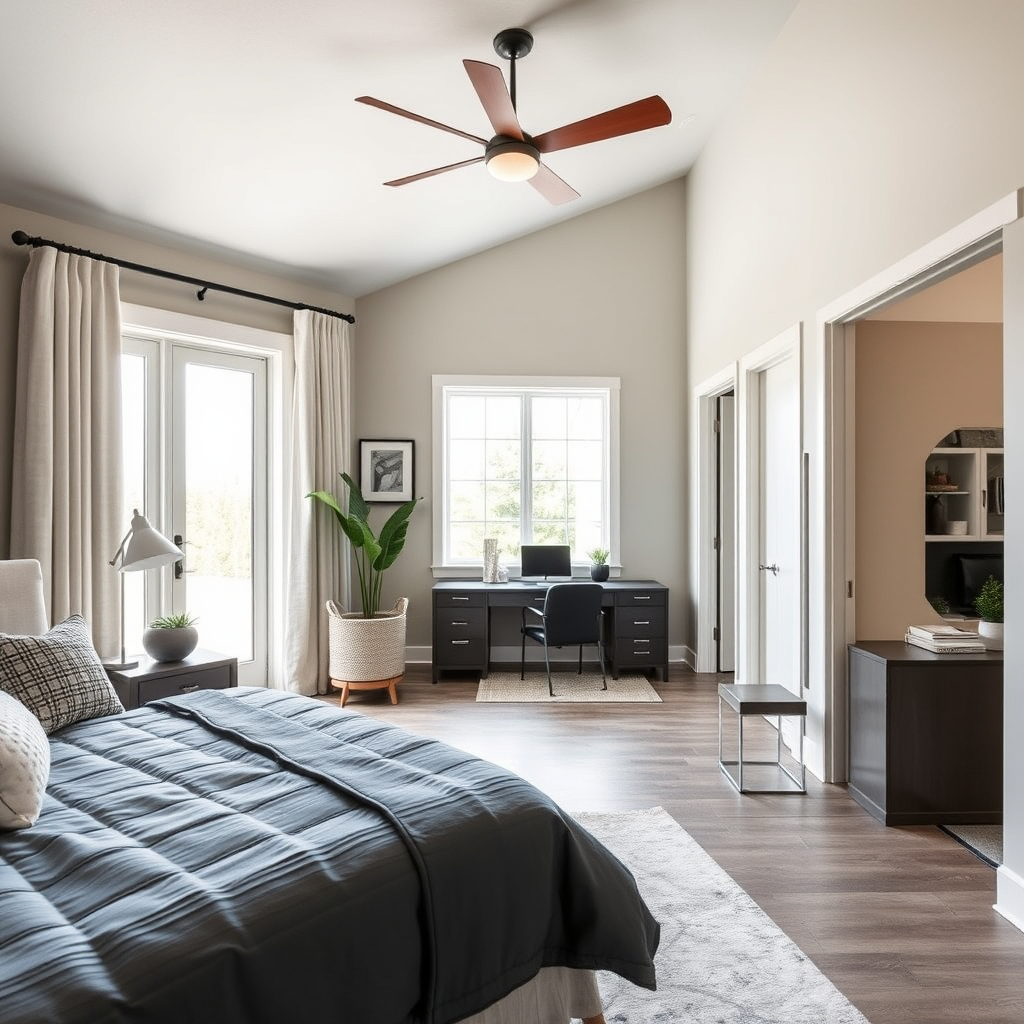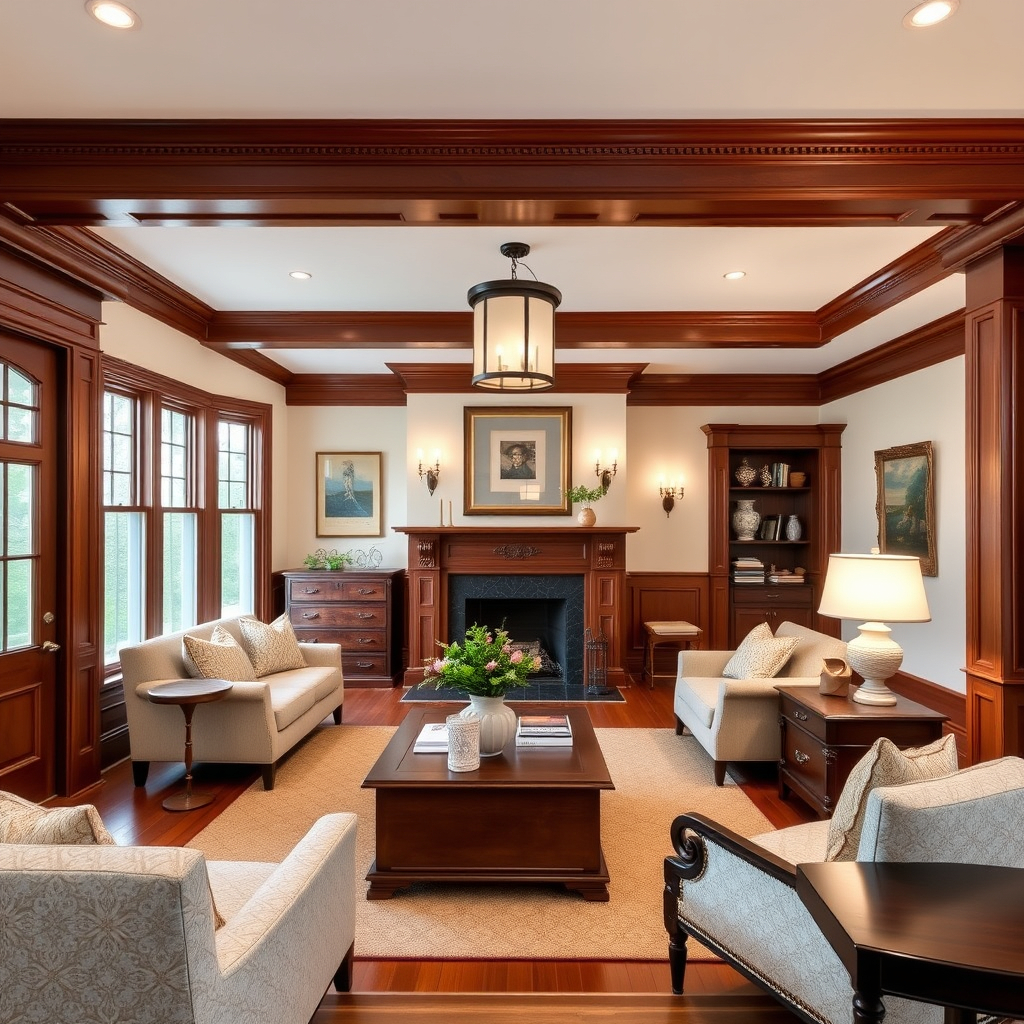
Niagara’s landscape is celebrated for its vineyards, escarpments, and world-famous waterfalls — but its climate poses unique challenges for homeowners. Between humid summers, snowy winters with deep freezes, and plenty of year-round sunlight, Niagara homes need thoughtful design strategies that balance beauty with durability.
From the right materials and finishes to insulation, window treatments, and seamless indoor-outdoor transitions, designing with the climate in mind ensures comfort, longevity, and efficiency. Let’s explore the smartest ways to make your home Niagara-weather ready.
Summers in Niagara often bring high humidity, which can warp wood, encourage mold, and make interiors uncomfortable if not addressed.
Flooring Choices: Engineered hardwood and porcelain tile handle humidity better than solid hardwood. Luxury vinyl plank is also a low-maintenance option.
Cabinetry & Millwork: Use moisture-resistant finishes and paints to prevent swelling and peeling.
Ventilation: Kitchens, bathrooms, and laundry rooms benefit from upgraded exhaust fans and whole-home ventilation systems.
Pro Tip: Dehumidifiers integrated into HVAC systems work wonders in maintaining steady indoor humidity.
Niagara winters are cold, snowy, and icy. Without proper planning, freeze-thaw cycles can wreak havoc on a home.
Exterior Materials: Stone veneers, fiber-cement siding, and brick are durable against freeze-thaw cycles.
Roofing: Metal roofing sheds snow efficiently, while asphalt shingles with proper underlayment offer affordability and insulation.
Driveways & Walkways: Heated pavers or snow-melt systems prevent dangerous ice buildup.
Windows & Doors: Triple-pane windows with insulated frames and weatherstripping help maintain warmth and reduce drafts.
Pro Tip: Consider zero-threshold entries for both accessibility and to reduce ice buildup at entry points.
Niagara enjoys long summer days with strong sunlight, and during winter, every ounce of natural light is precious. Designing for sunlight is both aesthetic and functional.
Window Placement: South-facing windows maximize winter light and warmth.
Skylights & Solar Tubes: Great for hallways, bathrooms, and kitchens where natural light is limited.
Window Treatments: Use UV-blocking shades or films to protect furniture and flooring from fading.
Outdoor Spaces: Covered patios and pergolas make summer sunlight more manageable, creating shade and comfort.
Niagara-Specific Tip: Reflective interior finishes, like lighter wall colors and mirrors, brighten homes during grey winter months.
Proper insulation is critical to handling both humid summers and cold winters.
Attics & Roofs: Spray foam insulation provides an airtight barrier, while blown-in cellulose is a cost-effective alternative.
Walls: Continuous exterior insulation prevents thermal bridging, improving efficiency.
Basements: Niagara homes often have basements prone to dampness — rigid foam insulation paired with proper waterproofing protects against mold.
Pro Tip: Insulating garage walls and doors is a must if your garage is attached — preventing heat loss in winter and heat gain in summer.
Your finishes need to stand up to humidity, temperature swings, and daily wear.
Paint: Low-VOC, washable paints resist mildew and moisture.
Countertops: Quartz resists staining and humidity damage better than natural marble.
Flooring in High-Traffic Areas: Tile and engineered wood outperform solid hardwood in Niagara’s fluctuating seasons.
Niagara homeowners often want seamless connections between indoor living and outdoor patios, decks, and gardens. Climate-proofing these transitions is key.
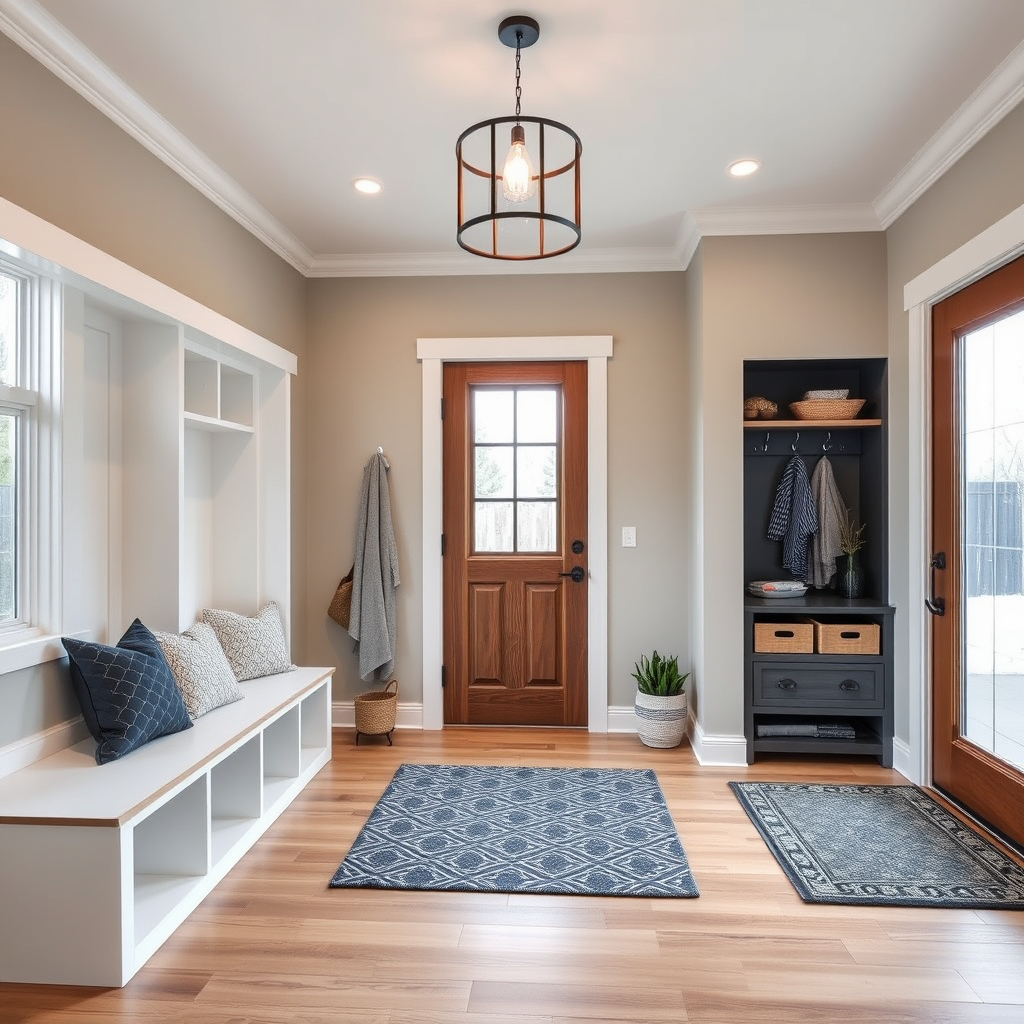
Mudrooms: Essential for managing snowy boots and wet coats in winter, and muddy shoes in spring.
Durable Flooring: Slate, ceramic tile, or waterproof vinyl in entryways and mudrooms keep moisture damage at bay.
Sliding & Folding Doors: Modern thermal-break sliding glass doors provide great insulation while opening up to patios in summer.
Covered Entryways: Protect doors and thresholds from weather while giving guests a welcoming transition.
Technology can help manage the region’s climate challenges:
Smart Thermostats: Automatically adjust heating and cooling as weather shifts.
Automated Shades: Close in summer for cooling, open in winter for natural warmth.
Moisture Sensors: Detect leaks in basements or around foundations before they become bigger problems.
Designing for Niagara’s weather is about balancing resilience with comfort. From humidity-resistant flooring to freeze-proof materials and sunlight-maximizing layouts, homeowners can enjoy interiors that stand strong against the elements while staying beautiful. With the right strategies, your home becomes more than shelter — it becomes a sanctuary, ready for every season Niagara brings.