Walking through Niagara-on-the-Lake, St. Catharines, or even certain neighborhoods of Niagara Falls, it’s impossible to miss the charm of heritage homes. From Georgian façades and Victorian trim to sturdy stone farmhouses, these residences are architectural treasures that tell the story of the region. But while historic homes are rich in character, they also bring challenges for modern living.
The key is finding a balance: preserving the unique details that make a property special while integrating the conveniences, safety, and comfort expected in today’s interiors. Here’s how homeowners in Niagara can achieve that blend of character and modernity.
Before making any design decisions, it’s important to understand the home’s history and architectural style.
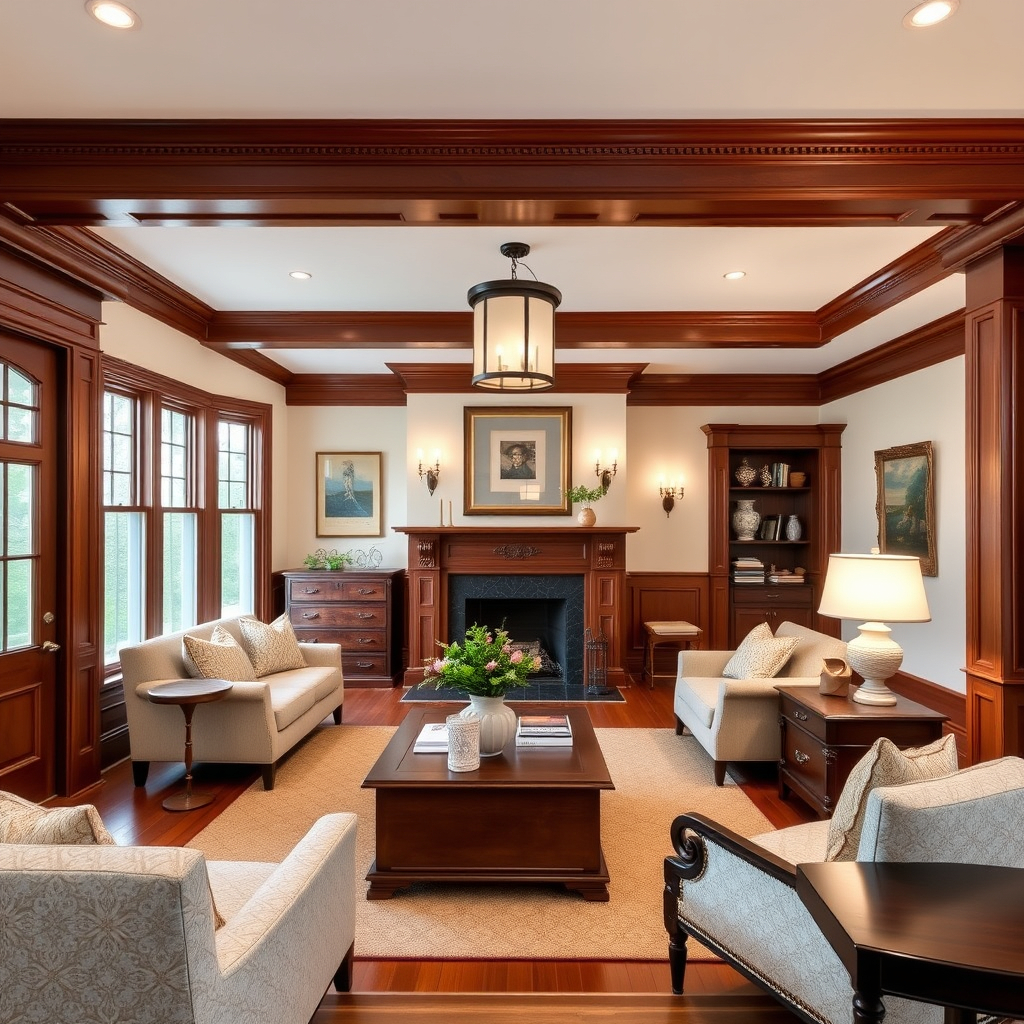
Structural Features: Crown moldings, wainscoting, and decorative plasterwork often deserve restoration rather than replacement.
Windows & Doors: Where possible, repair original frames and glass, or retrofit with storm windows for energy efficiency without losing authenticity.
Flooring: Refinishing original hardwood or wide plank floors preserves heritage character and provides unmatched warmth.
Pro Tip: In Niagara-on-the-Lake, heritage preservation bylaws may apply. Consult with experts to ensure renovations respect local guidelines.
While the goal is preservation, historic homes can and should evolve with modern living standards.
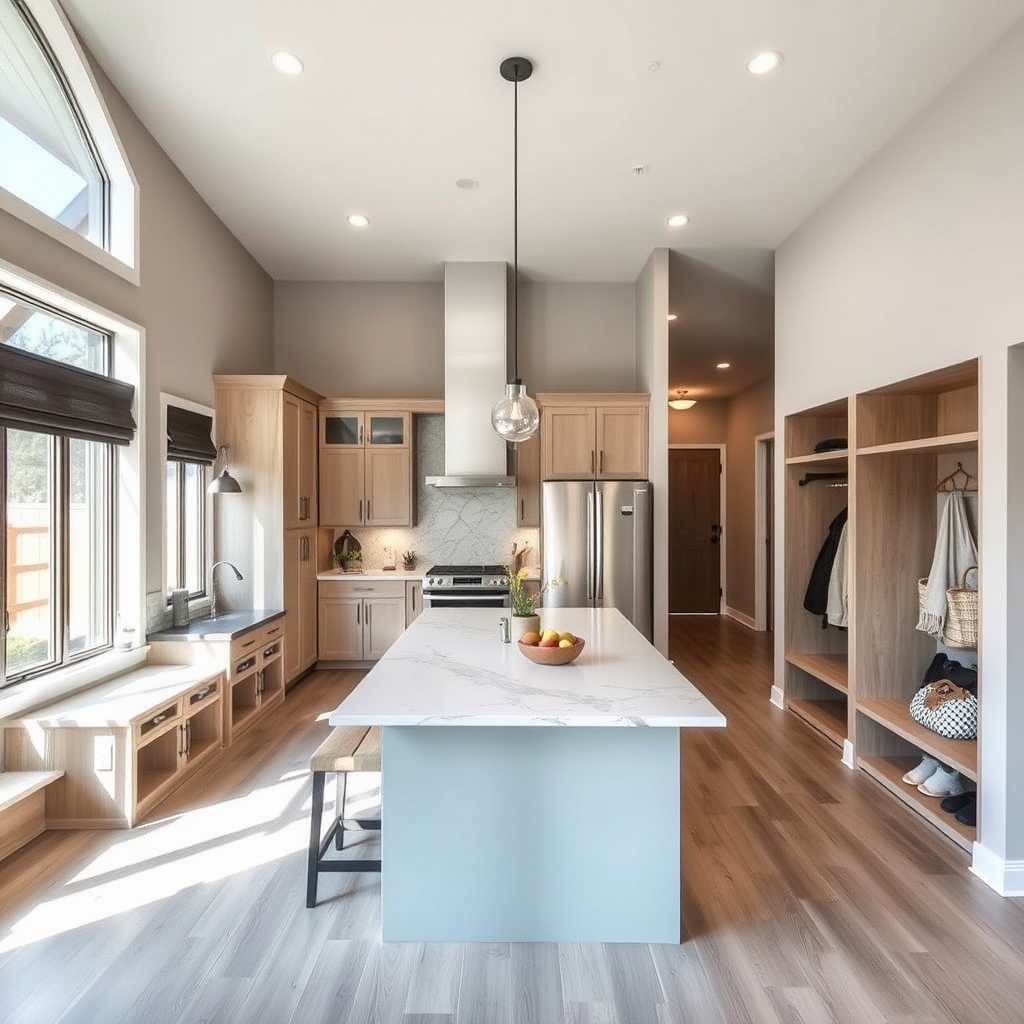
Kitchens: Heritage homes weren’t designed with today’s large, open kitchens in mind. Incorporate modern appliances concealed behind cabinetry designed to reflect the home’s period.
Bathrooms: Add spa-like features such as heated floors and walk-in showers, while using classic finishes like subway tile or clawfoot tubs to stay true to the era.
Lighting: Replace outdated wiring, then introduce layered lighting solutions that mix historic-style fixtures with discreet modern recessed lights.
Selecting the right materials ensures harmony between heritage charm and modern updates.
Stone & Brick: Exposed stone or brick walls make stunning backdrops, especially in farmhouses or Victorian homes.
Wood: Use reclaimed wood for beams, mantels, or built-ins to match the patina of original features.
Modern Counterparts: Pair quartz countertops or sleek metal hardware with classic cabinetry for a fresh yet timeless kitchen.
Historic homes often feature segmented rooms, smaller kitchens, and minimal closet space. Thoughtful reconfiguration can modernize without erasing character.
Open Concepts with Limits: Carefully remove select walls to create flow, but preserve unique archways or pocket doors where possible.
Dual-Purpose Rooms: Transform formal parlors into flexible living areas that still showcase original details like fireplaces.
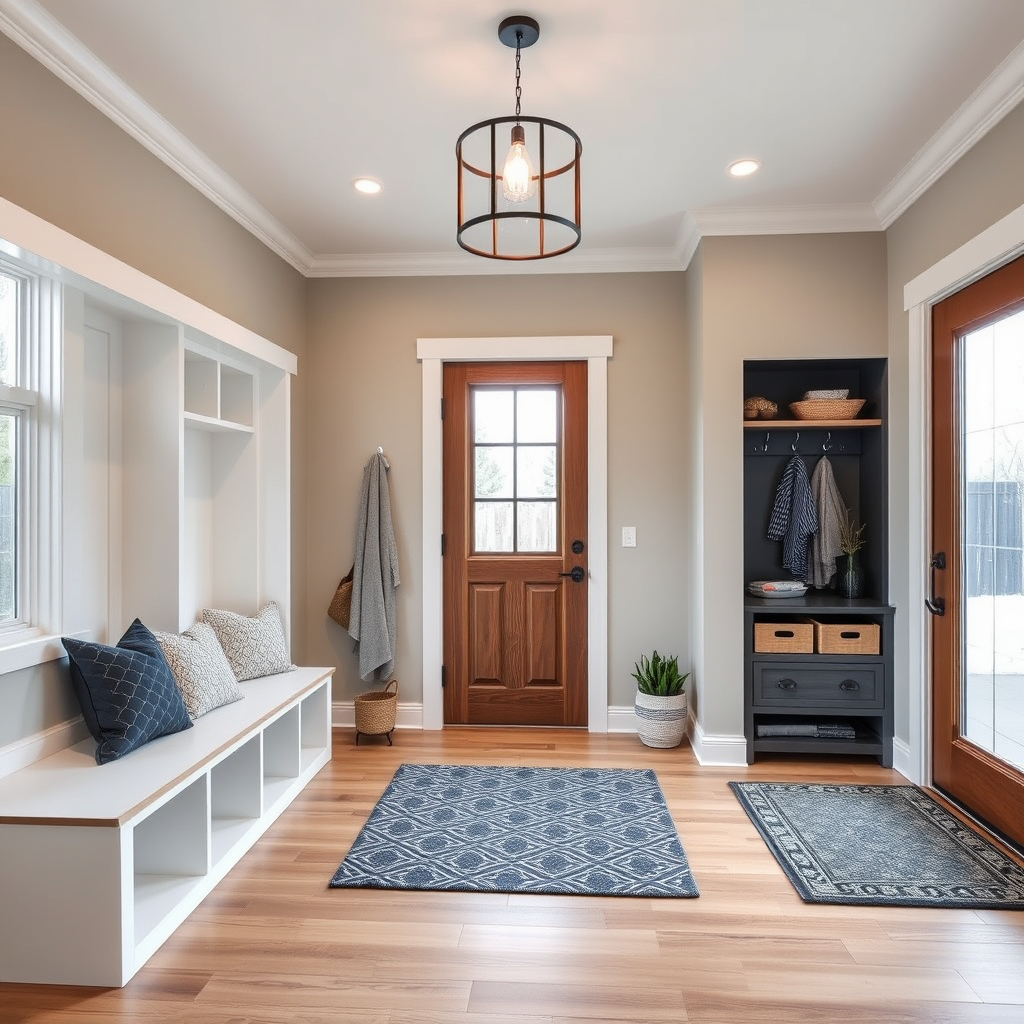
Storage Solutions: Built-in cabinetry styled to match period trim can resolve storage shortages without clashing with heritage design.
Niagara’s climate makes insulation and energy efficiency vital, especially in drafty older homes.
Windows: Retrofit original windows with interior storm panels.
Insulation: Use spray foam or blown-in cellulose in attics and walls, carefully installed to avoid damaging historic features.
HVAC Upgrades: Ductless mini-split systems provide modern climate control without extensive renovations to plaster walls.
Technology can be integrated into historic homes without sacrificing aesthetics.
Smart Home Systems: Hide outlets, charging stations, and smart switches within cabinetry or built-ins.
Modern Kitchens: Concealed refrigerators, induction cooktops, and integrated dishwashers maintain a streamlined look.
Bathrooms: Walk-in showers with frameless glass blend into traditional spaces without overpowering them.
Imagine a century-old home near Niagara’s wine country: wide-plank floors, original fireplaces, and a steep gable roof. A thoughtful renovation might keep the stone façade and interior woodwork intact while adding a bright, functional kitchen with quartz counters and energy-efficient appliances. Upstairs, bathrooms gain radiant heating and spa features while original windows are preserved with storm glass.
This balance respects the home’s legacy while creating comfort for today’s lifestyle.
Historic homes in Niagara are more than properties — they’re living artifacts of the region’s story. Preserving character while modernizing interiors allows homeowners to enjoy the best of both worlds: architectural charm paired with modern comfort.
With careful planning, respect for original details, and thoughtful updates, Niagara’s heritage homes can remain timeless, welcoming spaces for generations to come.