As housing costs continue to rise across Ontario, many Niagara Falls homeowners are turning to legal second units—also known as accessory dwelling units (ADUs), basement apartments, or in-law suites—as a way to generate rental income, accommodate family members, or increase property value.
However, creating a legal second unit isn’t as simple as renovating a basement. It requires a deep understanding of building codes, fire safety, zoning bylaws, and privacy considerations. This guide explores how to properly plan, design, and register a compliant and comfortable second unit in Niagara Falls.
A legal second unit is a self-contained residential space within or attached to a primary home. It includes:
These units must comply with Ontario’s Building Code, the Niagara Falls Zoning Bylaw, and Ontario Fire Code to be considered legal.
There are several benefits to building a second unit in your home:
✅ Rental Income: Offset your mortgage or increase your monthly cash flow.
🏡 Multigenerational Living: Offer a private space for aging parents, adult children, or extended family.
💰 Increased Property Value: Legal ADUs can raise home resale value significantly.
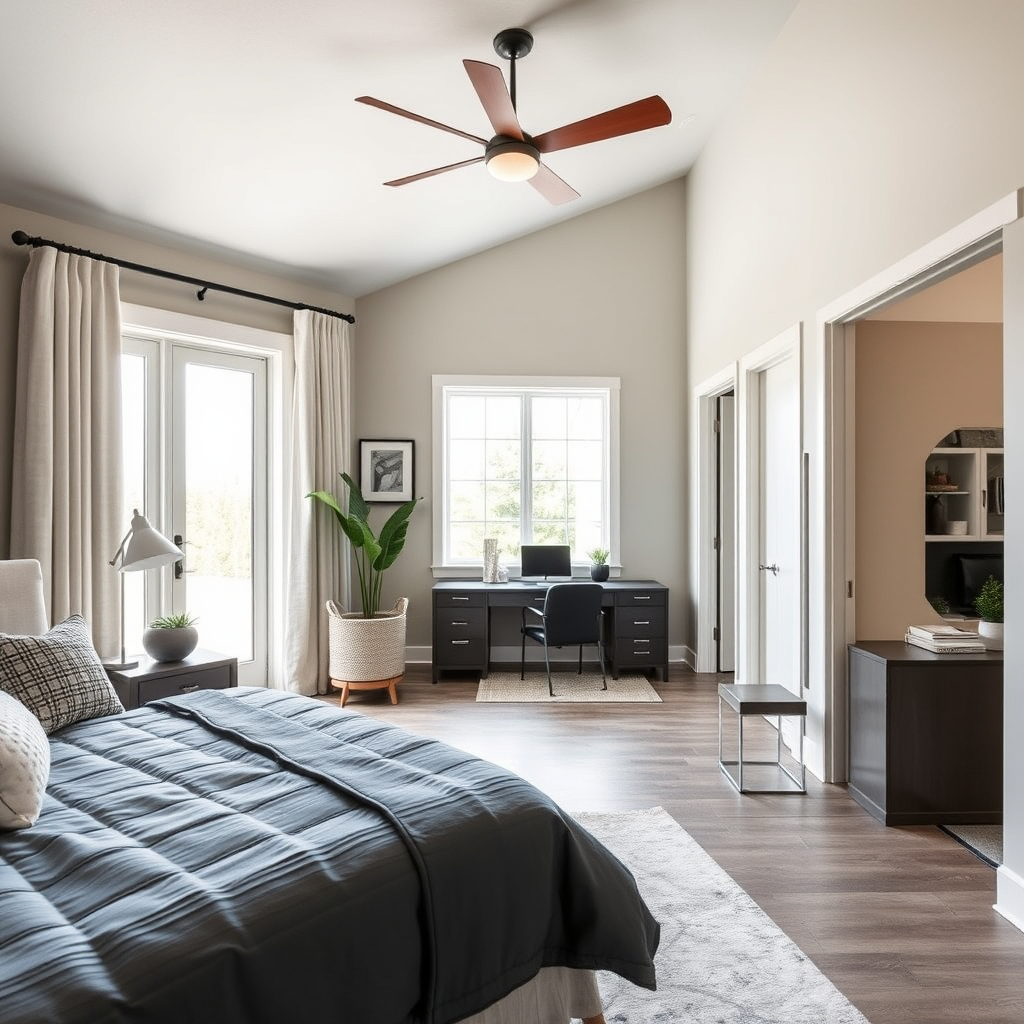
🔄 Flexible Use: Use it as a home office, guest suite, or eventually convert it back into living space.
Before you start renovating, it’s important to understand the legal framework:
Check that your home is in a zone where second units are permitted. In Niagara Falls, many residential zones now allow second units, but there are:
Visit the City of Niagara Falls Second Unit Information Page or speak with a planner for up-to-date zoning maps.
Fire separation: Between units (e.g., ½” Type X drywall or equivalent)
Egress windows: Required in each bedroom, sized to allow emergency escape
Smoke and CO alarms: Must be hardwired and interconnected between units
Separate heating systems or ducts with dampers: Often required for safety
Failure to comply can result in fines and mandatory removal.
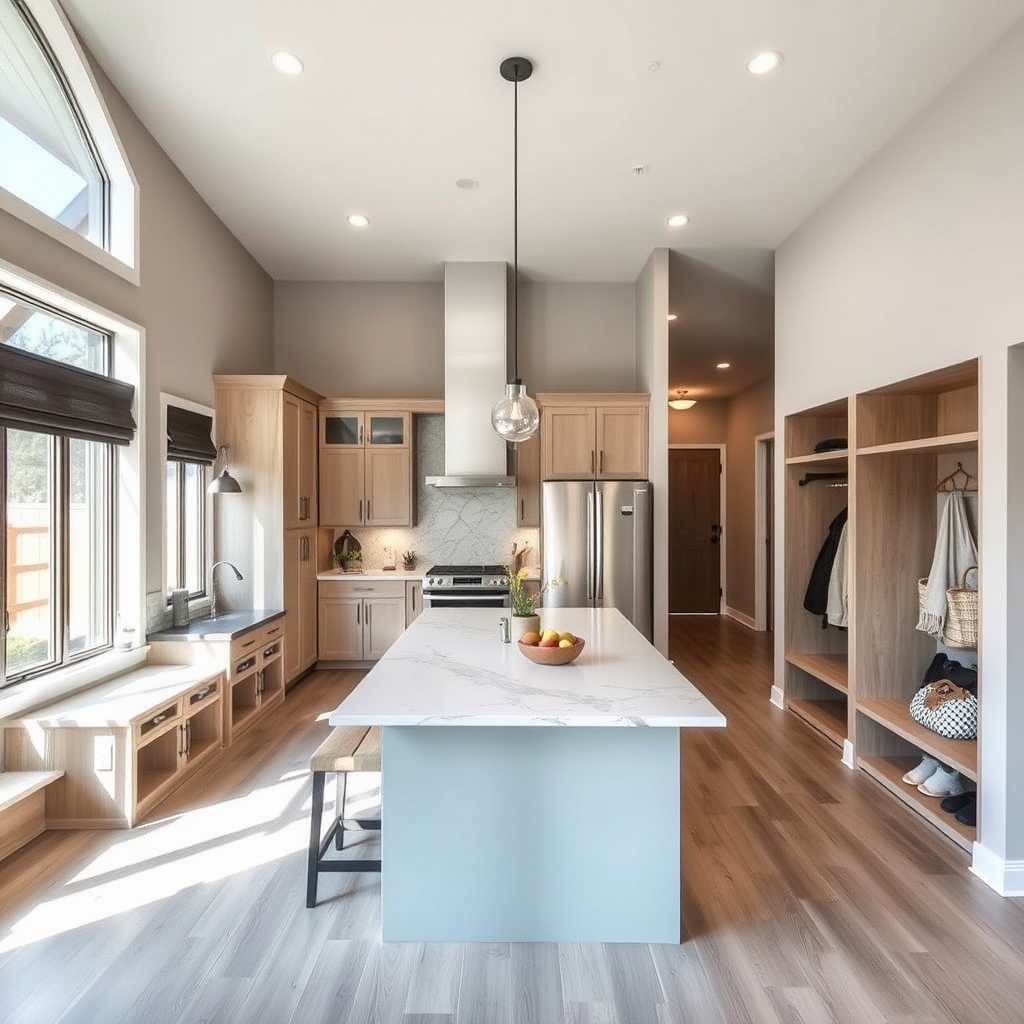
Open-concept kitchens and living spaces help maximize small footprints
Position bathrooms and kitchens back-to-back with the main unit for plumbing efficiency
Use light colors and ample lighting to make basements feel larger
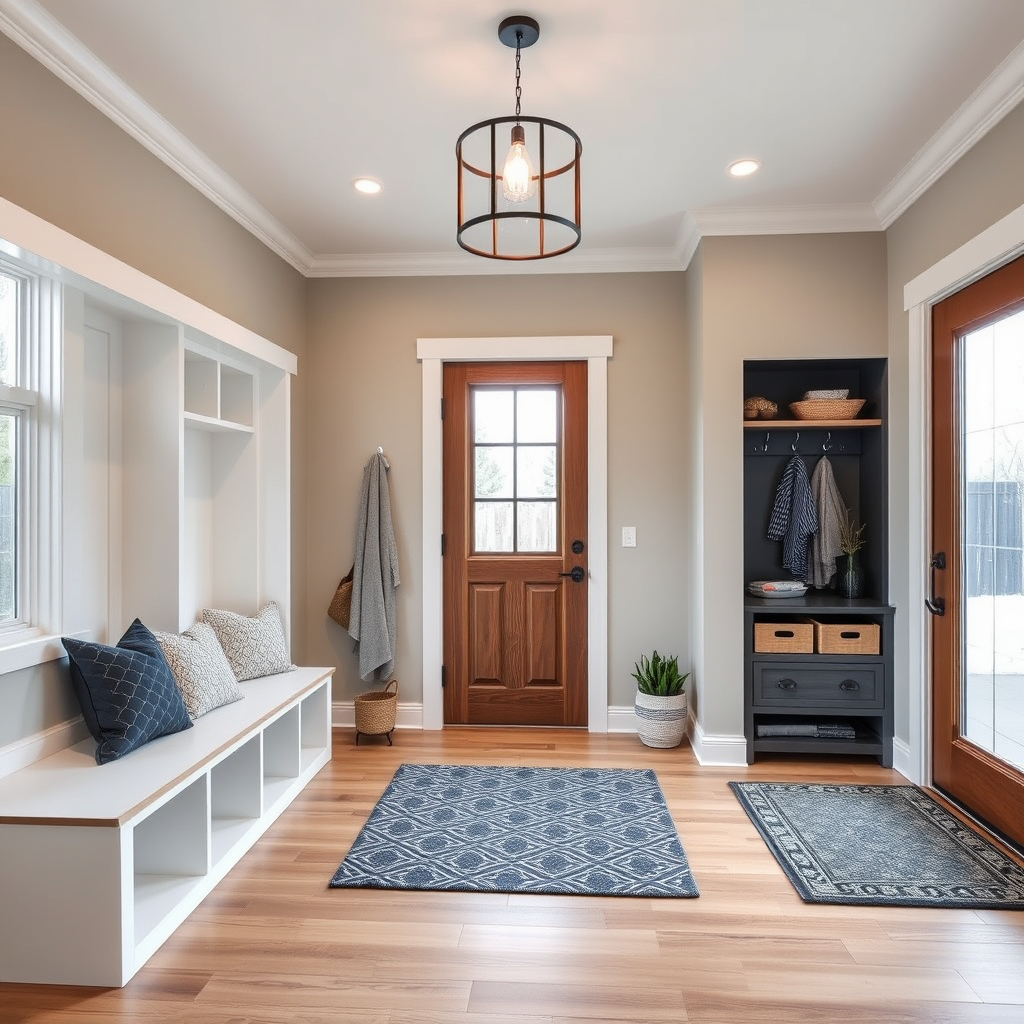
Whenever possible, create a separate exterior entrance to ensure tenant privacy and simplify fire code compliance.
Use window wells and larger egress windows to bring in daylight. Consider frosted glass for privacy without sacrificing brightness.
Tenants need storage! Include closets, built-ins, and consider a shared or private storage locker in utility areas.
Shared walls can lead to noise complaints if not properly managed.
Use acoustic insulation and resilient channels in ceilings and walls
Install sound-dampening flooring (e.g., cork or vinyl plank over acoustic underlayment)
Rental demand in Niagara Falls continues to rise due to tourism, retirees, and a growing population. A legal second unit can generate:
$1,800+ for 2-bedroom units, especially near downtown or tourist zones
Proper design, safety features, and legality can ensure long-term, stable rental income.
The Martins, a family in Niagara Falls’ Stamford Centre, converted their unfinished basement into a modern 1-bedroom apartment. By working with a local designer and following all city requirements, they:
They now earn $1,450/month in rental income and have created a safe, welcoming space for a local teacher.
Adding a legal second unit to your Niagara Falls home is a smart investment—but it requires careful planning, permits, and compliance. From layout design to fire safety and inspections, De Simone Designs helps homeowners transform unused space into income-generating, code-compliant dwellings.
Let us help you navigate the legal and design process with confidence.
1. What Is a Legal Second Unit?
3. Legal Requirements in Niagara Falls
4. Design Tips for Functional Second Units
6. Income Potential in Niagara Falls
Separate entrance (in most cases)
Limits on lot coverage and setbacks
Requirements for separate entrances and parking
Minimum ceiling height: 1.95 m (6 ft 4 in) in most areas
Soundproofing: STC-rated materials between floors/walls
Fire-rated doors: Required between units and common areas
Pass a building and fire inspection
Register the unit with the city
Choose solid-core doors with seals
$1,200 to $1,800/month for 1-bedroom units
Passed inspections on the first attempt
Added $100,000 in appraised value to their home
Rented the unit within 10 days of listing