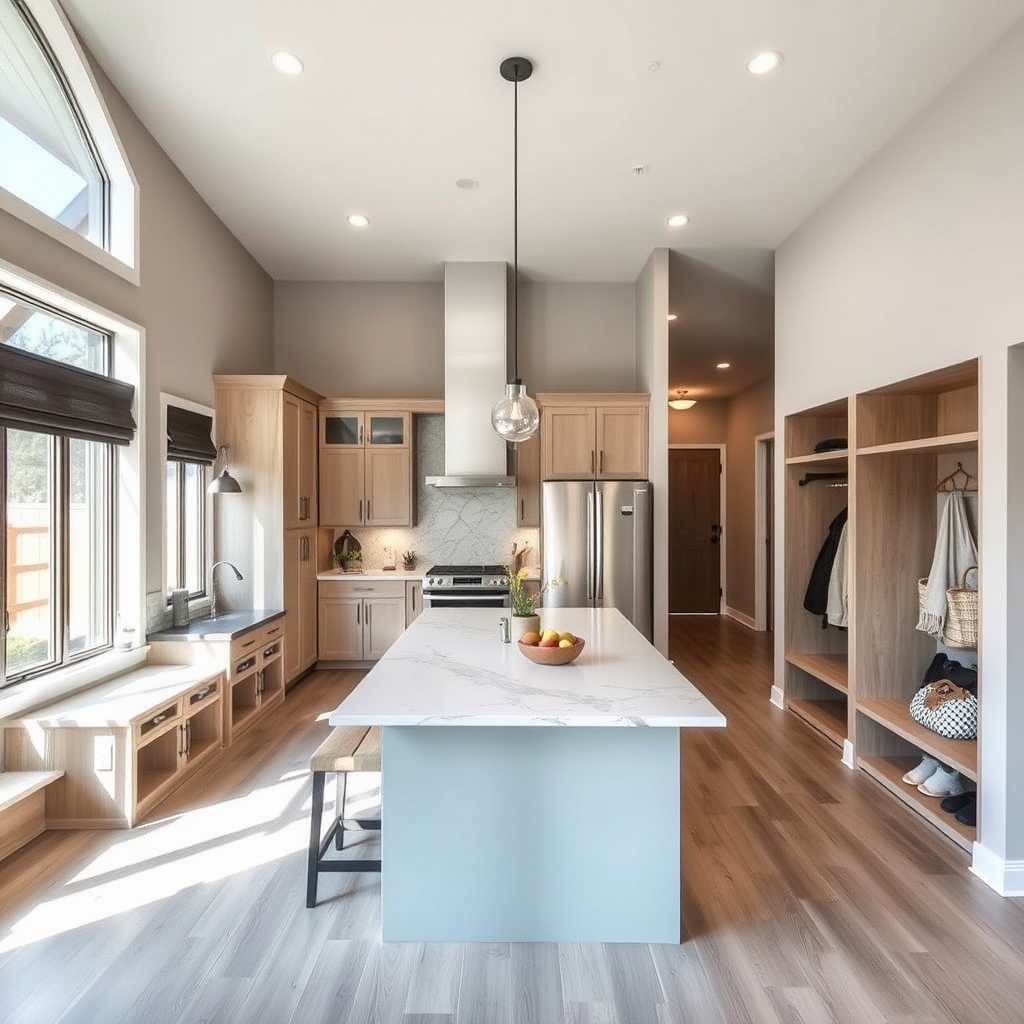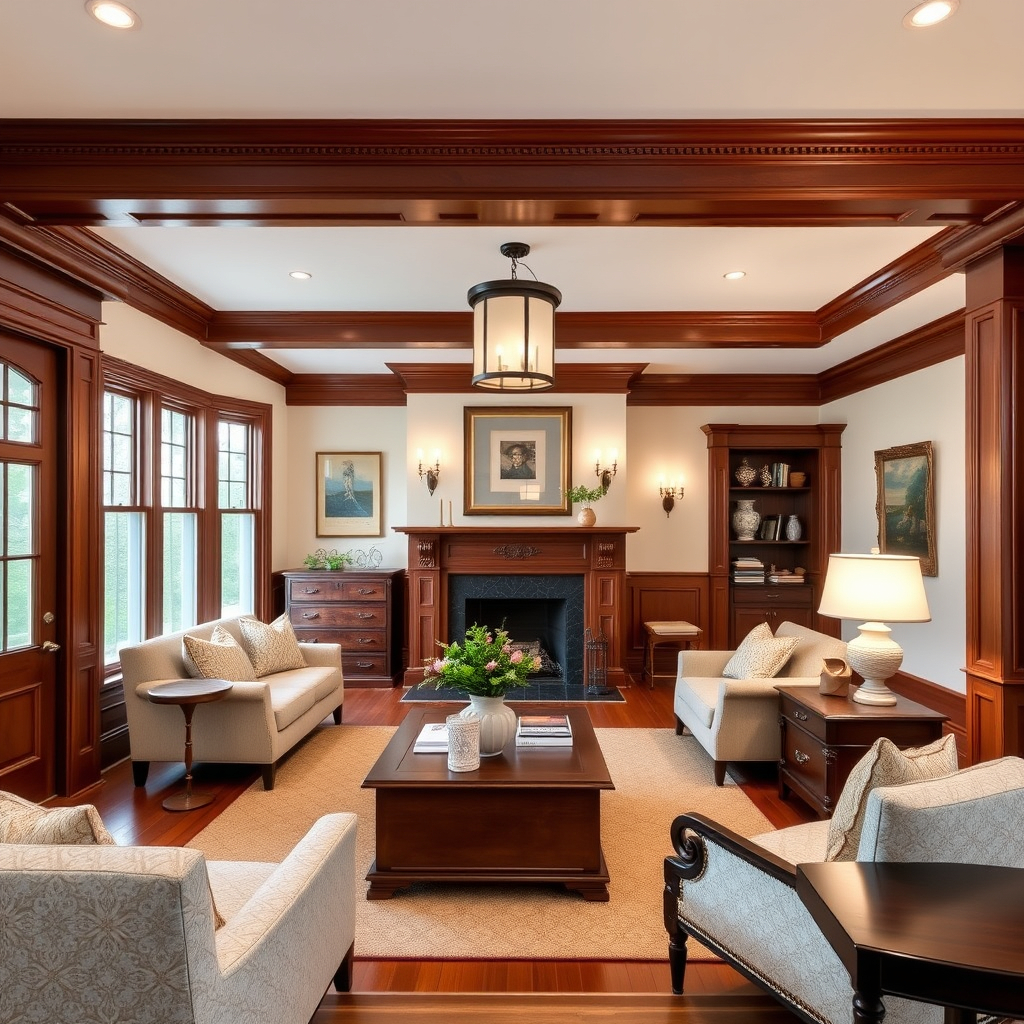
For over a decade, open-concept layouts dominated residential architecture. Walls came down, spaces merged, and dining rooms were often absorbed into kitchen or living areas. But recently, the dedicated dining room has been making a quiet comeback—especially in Ontario homes where lifestyle changes, design trends, and a new appreciation for intentional space are driving demand.
Here’s why the formal dining room is re-emerging, when it makes sense to include one, and how to design it to feel timeless—not outdated.
In a post-pandemic world, the way people use their homes has changed. Flexible, multi-use spaces are still valued, but many homeowners have rediscovered the appeal of spaces designed for a single, meaningful purpose—like dining.
The need to escape the noise and bustle of open-concept layouts
Aesthetic opportunities to create a moodier, more dramatic design statement
Formal dining rooms offer a change of pace—a space that feels distinct, special, and separate from the everyday hustle.
Not every floor plan calls for a closed-off dining room, but for certain households and lifestyles, it can be a perfect fit.
Heritage or traditional homes where compartmentalization suits the architecture
Homeowners craving quiet or defined structure after years of open-plan living
At De Simone Designs, we often recommend hybrid layouts—where the dining area has defined boundaries but still flows visually with the kitchen and living space through the use of archways, ceiling treatments, or sliding doors.
The modern dining room isn’t just a revival of 90s formalism. Today’s designs are warm, intentional, and tailored to the way you actually live.
Distinct flooring materials (e.g., hardwood with inset rug patterns)
A chandelier or pendant light can act as the room’s focal point and set the mood for meals. Include dimmable lighting and layer with sconces or sideboard lamps.
Ensure there’s enough space to walk around the table, pull out chairs, and access adjoining rooms easily. A minimum of 36–42 inches around all sides is ideal.
Built-in buffets, cabinets, or bar areas make serving and cleanup easier—and give the space both elegance and utility.
In Niagara Falls and across Ontario, homeowners are asking for dining spaces that reflect regional style and lifestyle preferences.
Blended formality: Rooms that can shift between casual family use and elegant dinner parties
Natural textures: Oak, walnut, and stone finishes tied to Ontario’s landscape
Multifunctional elements: Dining rooms that double as homework zones or reading spaces
Oversized windows: Bringing in natural light and backyard views
At De Simone Designs, we create dining spaces that reflect our clients’ unique needs—whether that’s formal tradition or flexible modernism.
Whether you’re building from scratch or rethinking your existing floor plan, a formal dining room might be exactly what your home is missing.
📞 Call De Simone Designs today to discuss how we can tailor your space for dining, entertaining, and living beautifully.
Why Dining Rooms Are Making a Comeback
When Does a Formal Dining Room Make Sense?
Tips for Designing a Modern Formal Dining Room
Trends in Ontario Dining Room Design
1. Define the Space Without Closing It Off
3. Optimize for Function and Flow
4. Choose Mood-Setting Finishes
A desire for dedicated entertaining areas
A renewed focus on family meals and rituals
Frequent entertainers who host dinners and holidays
Larger families who dine together nightly
Built-in shelving or cabinetry as visual dividers
Rich paint colors or wallpaper
Art and décor with personality