The bungalow has long been a staple of Ontario’s housing market—especially in established neighborhoods across Niagara Falls. While these single-story homes offer charm and accessibility, they can also feel limiting for growing families or homeowners looking to maximize value and functionality.
Fortunately, bungalow transformations—particularly vertical additions—are on the rise. Turning a modest single-story home into a modern multi-level property can double your living space, enhance curb appeal, and significantly increase property value.
Here’s what you need to know when transforming a Niagara Falls bungalow into a beautiful, functional multi-level home.
Expanding upward rather than outward is often the smartest approach in space-restricted lots or areas where zoning limits horizontal additions. A second-story addition or partial second level gives you:
More usable square footage without sacrificing outdoor space
Improved home value—multi-level homes typically appraise higher
Flexibility for growing families, home offices, or rental units
In Niagara Falls, where infill development and creative renovation are becoming more popular, this type of transformation is both a smart investment and an opportunity to reimagine your home.
The first step is determining whether your existing bungalow can structurally support an additional level. Many older homes in Niagara Falls were built with simpler framing systems, and while sturdy, they weren’t designed with extra floors in mind.
A qualified architectural technologist, like De Simone Designs, will coordinate with structural engineers to assess your home’s existing framework. If reinforcement is needed, it’s best to address it during initial planning to avoid mid-construction delays.
Before moving forward with your design, your project must meet all local zoning and building code requirements. In Niagara Falls, these regulations dictate:
Depending on your neighborhood and lot size, a zoning review may also be necessary to determine whether you need a minor variance for height or massing.
De Simone Designs conducts a full zoning analysis before drawing a single line—so there are no surprises once you’re ready to build.
One of the most exciting aspects of a vertical renovation is redefining the home’s exterior appearance. Moving from a flat, single-story footprint to a sleek two-level design allows you to modernize rooflines, window arrangements, and exterior materials.
Mix materials (e.g., stone, fiber cement, wood) for contrast
Introduce vertical features (e.g., columns, siding patterns)
The new design should feel like a cohesive evolution of the existing structure—not a mismatched add-on. We specialize in blending modern upgrades with the unique character of original homes in Niagara’s established neighborhoods.
Adding a second story means adding stairs—and where you place them matters.
Whether your goal is a minimalist floating staircase or a hidden stairwell off the foyer, we ensure it complements your new floor plan and doesn’t compromise flow on the main floor.
The new level gives you the chance to rethink your entire home’s layout. Most homeowners use the upper floor for:
Meanwhile, the main floor can be redesigned for open-concept living, entertaining, and accessibility. The goal is to create a comfortable division of public and private zones, with natural flow and smart storage solutions built in.
If one of our clients approached us with a classic post-war bungalow in Niagara Falls. With a growing family and a need for home office space, they wanted to expand—but didn’t want to lose their yard or uproot from the neighborhood they loved.
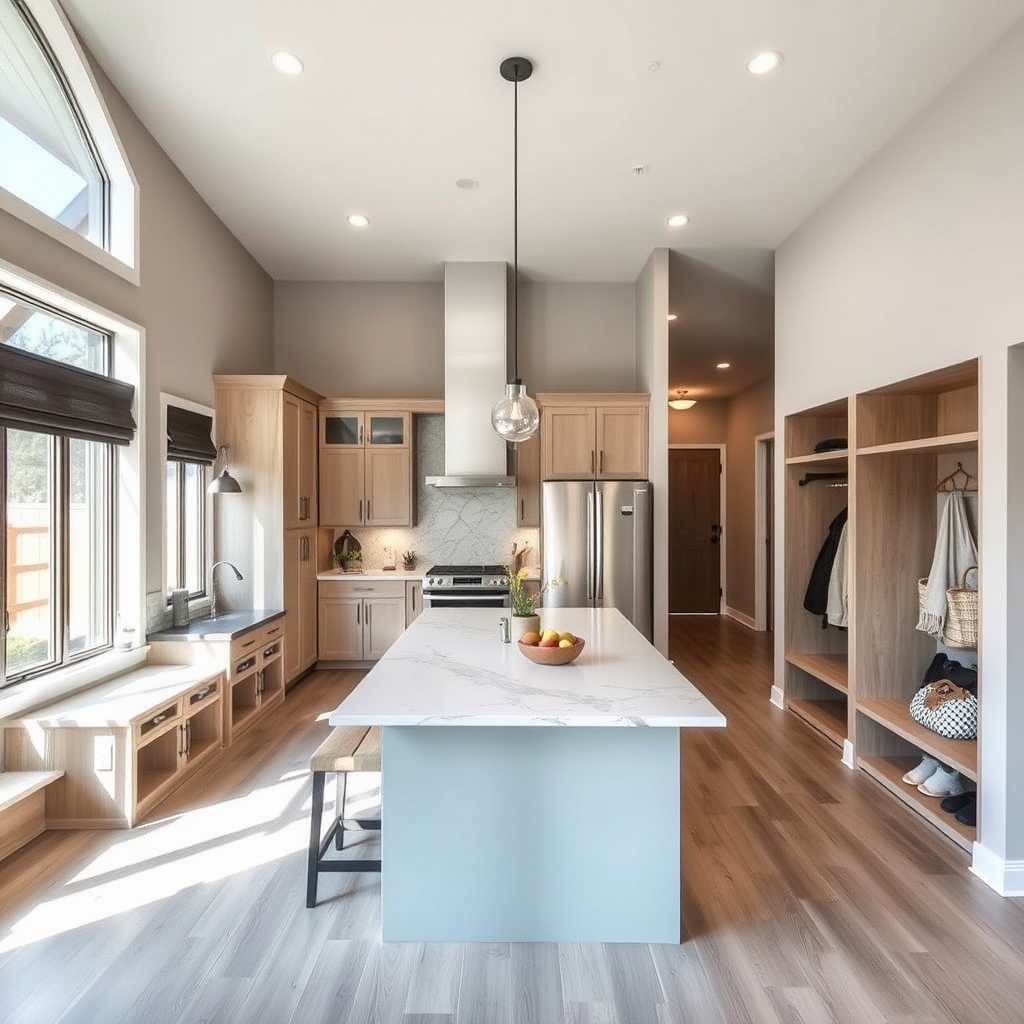
Reconfigured the main floor into an open-concept kitchen, dining, and family room
Upgraded the exterior with stone veneer and horizontal wood siding
What would the results be? A modern multi-level family home with timeless curb appeal and room to grow—all without sacrificing location or lifestyle.
At De Simone Designs, we specialize in transformative home additions that add both space and value. From zoning review and structural planning to modern design and permit-ready drawings, we’ll guide your Niagara Falls renovation every step of the way
📞 Book your consultation today and see what’s possible—your dream home might already be under your roof.
Structural Considerations: Can Your Bungalow Handle It?
Zoning and Building Regulations in Niagara Falls
Designing the Transition: From Bungalow to Modern Masterpiece
Stairwell Planning: Where Function Meets Flow
Interior Layout: Make Every Square Foot Count
A Niagara Falls Bungalow Becomes a Dream Home
Modern curb appeal with elevated architectural design
Load-bearing walls and their placement
Roof removal and replacement strategy
Setback distances from property lines
Floor space index (FSI) limits
Use large windows to create a sense of openness
Consider covered porches or second-story balconies
Accessibility and location in the home’s layout
Daylight access and ventilation
Safety, code compliance, and headroom
Aesthetic integration with existing finishes
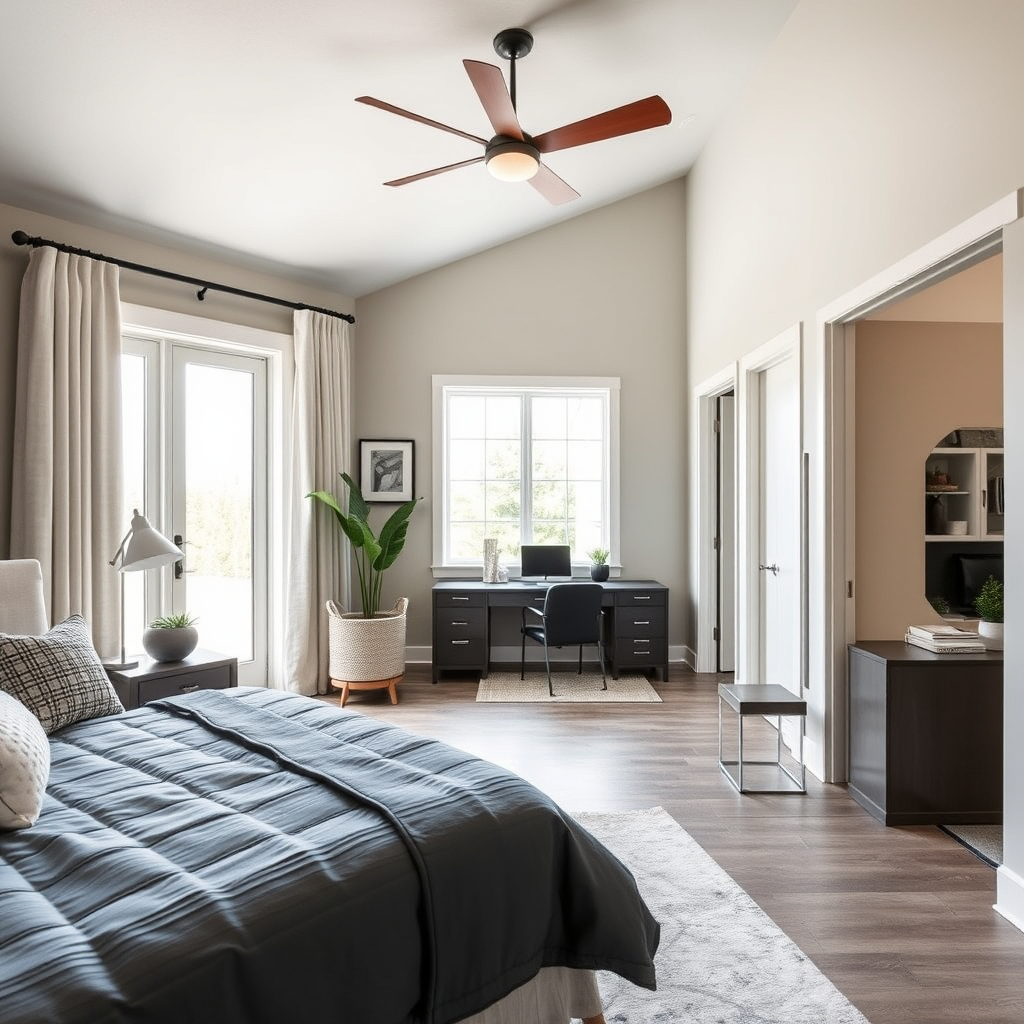
Primary suites with ensuite bathrooms
Children’s bedrooms or guest quarters
Private lounges or media rooms
Removed the roof and added a full second story
Introduced three bedrooms and two bathrooms upstairs